Steel procurement is not a simple purchasing activity — it is a critical function that directly impacts project cost, delivery timelines, structural integrity, and overall commercial risk. Many procurement issues arise not because of price, but because of incomplete planning, unclear specifications, or poor supplier selection.
In global steel trade, even small mistakes in specification, logistics, or certification can result in shipment delays, cost overruns, or material rejection at site. This is why experienced buyers follow a structured procurement approach rather than relying on quotations alone.
This checklist is designed to provide a practical, real-world framework for steel buyers who want to reduce risk, improve cost control, and ensure smooth project execution.


Define Product Specification with Precision
The most common and costly mistake in steel procurement is unclear or incomplete specification. A supplier can only provide an accurate quotation when the requirements are clearly defined, and even small ambiguities can lead to incorrect material supply.
Buyers must specify not only the product type, but also the exact technical requirements, including dimensions, tolerances, grade, and surface condition. For example, specifying “steel beam” is not sufficient — the buyer must define the section type, size, and standard.
Failure to define specifications correctly often leads to:
- Incorrect quotations
- Delays in production
- Material rejection upon delivery
Buyers should always confirm steel grades such as S275, S355, and S460 before proceeding with supplier discussions.
Calculate Quantity and Weight Accurately
Steel is purchased in tons but consumed in metres, pieces, or sheets. This difference creates a major risk of over-ordering or under-ordering if calculations are not handled correctly.
Professional buyers convert all project requirements into weight-based calculations to ensure accuracy. They also include allowances for cutting waste, fabrication loss, and installation contingencies.
Incorrect quantity estimation leads to:
- Excess stock and tied-up capital
- Additional orders causing project delays
- Increased logistics cost
To avoid these issues, buyers should always use a steel weight calculation guide before finalising order quantities.
Verify Sizes, Standards, and Tolerances
Steel products are manufactured according to different international standards such as EN, ASTM, or JIS, and dimensional variations can exist between them. Buyers must ensure that the specified sizes align with project requirements and regional standards.
Even minor deviations in section size or tolerance can create fabrication issues or installation problems. This is particularly important for structural components where precision affects performance.
For structural applications, buyers should always review a steel beam sizes chart: I-beam vs H-beam vs UB dimensions before confirming specifications.
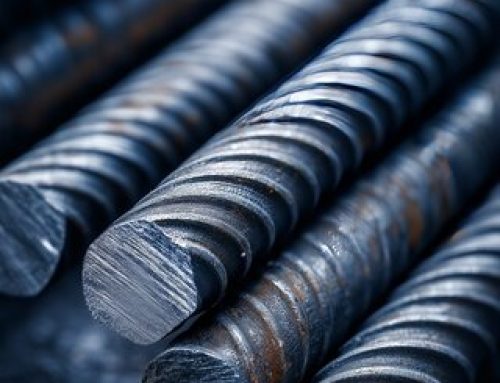
For reinforcement materials, buyers must verify quantities using a rebar sizes and weight chart to ensure correct ordering.
Evaluate Supplier Capability Beyond Price
Choosing a supplier based solely on price is one of the most common procurement mistakes. A lower price often comes with hidden risks such as inconsistent quality, delayed delivery, or incomplete documentation.
Buyers should evaluate suppliers based on:
- Production capability and mill partnerships
- Export experience and logistics understanding
- Certification and compliance track record
- Communication reliability and responsiveness
A reliable supplier adds value by reducing risk, not just offering a lower price.
Understand Pricing Structure and Terms
Steel pricing is influenced by multiple factors beyond the base price per ton. Buyers must understand how pricing is structured, including delivery terms, payment conditions, and validity periods.
For example, a lower EXW price may result in a higher total cost once freight and handling are included. Similarly, delayed decision-making can result in price changes due to market volatility.
Before comparing quotations, buyers should always review steel price per ton to understand current market positioning.
Consider Minimum Order Quantities (MOQ)
Steel is a bulk commodity, and suppliers operate based on production efficiency. Orders below standard quantities often result in higher prices due to inefficiencies in production and logistics.
Most international suppliers require:
- Full container loads (20–28 tons)
- Bulk shipments for large-scale projects
Understanding MOQ helps buyers structure orders more efficiently and avoid unnecessary cost increases.
Buyers should review minimum order quantity (MOQ) in steel: why 1 container is standard before negotiating quantities.
Verify Certification and Documentation
Certification is a critical part of steel procurement, especially for structural and regulated projects. Buyers must ensure that all materials meet the required standards and are supported by proper documentation.
This includes:
- EN 10204 3.1 or 3.2 certificates
- Mill test reports
- Traceability documentation
Failure to verify certification can result in rejection at site, delays in approval, or compliance issues with project stakeholders.
Compare Imported and Local Supply Strategically
Buyers must evaluate whether to source steel locally or import from international suppliers. Each option has advantages and trade-offs that must be considered based on project requirements.
Imported steel may offer cost savings but comes with longer lead times and higher logistics complexity. Local supply provides faster delivery and easier compliance but at a higher price.
Buyers should compare imported vs UK steel: cost, lead times & compliance considerations for buyers before deciding sourcing strategy.
Identify and Manage Hidden Costs
Many procurement issues arise from hidden costs that are not considered during the quotation stage. These costs can significantly impact the final project budget.
Examples include:
- Demurrage and storage fees
- Currency fluctuations
- Incorrect specifications leading to rework
- Handling and transport inefficiencies
To reduce these risks, buyers should review steel buying mistakes: 10 costly errors steel buyers must avoid.
Align Procurement with Project Timeline
Timing plays a critical role in steel procurement. Prices fluctuate based on demand, and availability can change quickly depending on market conditions.
Buyers who plan procurement early can secure better pricing and avoid supply shortages. Last-minute decisions often result in higher costs and limited options.
Strategic procurement aligns ordering with project milestones to ensure smooth execution.
Final Procurement Review Before Order
Before placing an order, buyers should conduct a final review to ensure all aspects are covered.
This includes confirming:
- Product specification and grade
- Quantity and weight accuracy
- Supplier capability and reliability
- Pricing and delivery terms
- Certification requirements
- Logistics and delivery plan
This step ensures that no critical detail is overlooked.
Conclusion
Steel procurement is a complex process that requires technical understanding, commercial awareness, and strategic planning. Buyers who follow a structured approach can significantly reduce risk, control costs, and ensure project success.
The difference between efficient and problematic procurement lies in attention to detail, supplier selection, and planning discipline.
Speak to CoreMet Steel
CoreMet Steel supports global buyers with end-to-end procurement solutions, ensuring that materials meet technical requirements, are delivered on time, and are competitively priced.
Contact us for:
- Product selection and specification support
- Global sourcing strategies
- Certified steel supply
- Logistics and delivery planning
We help buyers manage steel procurement with confidence and efficiency.
Guidance on inspection documents and certification standards is provided by organisations such as the British Standards Institution (BSI), which oversees the adoption of EN standards in the UK.
get a free quote
Built for reliable steel supply.projects.trade.sourcing.partnerships.
From steel coils to fencing systems: sourcing quality materials for global buyers, projects, and distributors.