Steel lead time is one of the most underestimated factors in procurement, yet it is often the main cause of project delays and cost overruns. While many buyers focus heavily on price per ton, experienced procurement teams understand that timing can be equally critical.
Lead time is not a single number — it is a combination of production scheduling, mill capacity, order volume, logistics planning, and customs clearance. A misunderstanding at any stage can delay delivery by weeks, even when the material itself is ready.
This guide explains how steel lead times work in real global trade and how buyers can plan procurement more effectively.


What Is Steel Lead Time?
Steel lead time refers to the total time from order confirmation to final delivery at the project site.
It typically includes:
- Production scheduling at the mill
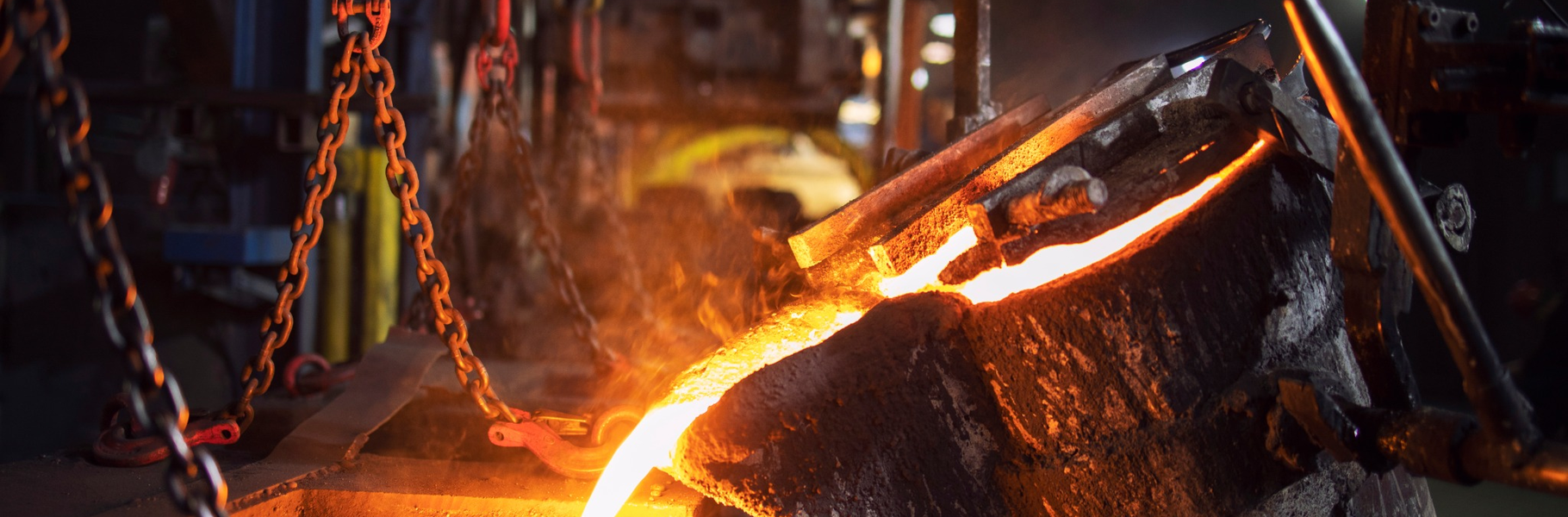
- Rolling and manufacturing time
- Quality inspection and certification
- Loading and dispatch
- Shipping and transit
- Customs clearance and inland delivery
Buyers should always align lead time expectations with steel procurement checklist before placing an order.
Typical Steel Lead Time Breakdown
Steel delivery timelines vary depending on origin, product type, and shipping method. The table below provides a realistic overview based on common global trade routes.
| Stage | Typical Duration |
|---|---|
| Production scheduling | 1–3 weeks |
| Rolling / manufacturing | 2–4 weeks |
| Inspection & documentation | 3–7 days |
| Port handling & loading | 3–5 days |
| Sea freight (Turkey → UK) | 10–18 days |
| Sea freight (Turkey → Africa) | 15–30 days |
| Customs & inland delivery | 3–10 days |
Total typical lead time: 4 to 10 weeks depending on complexity and destination
Production Lead Time (Mill Perspective)
Steel is not always produced immediately after order confirmation. Mills operate based on rolling schedules, which are planned weeks in advance.
If a buyer misses a rolling window, production may be pushed to the next cycle, adding delays of 2–3 weeks.
Factors affecting production timing:
- Mill capacity and workload
- Product type (standard vs specialised)
- Order size
- Raw material availability
Buyers should align production planning with steel price per ton trends, as high demand periods often increase both price and lead time.
Product Type Impact on Lead Time
Different steel products have different production timelines.
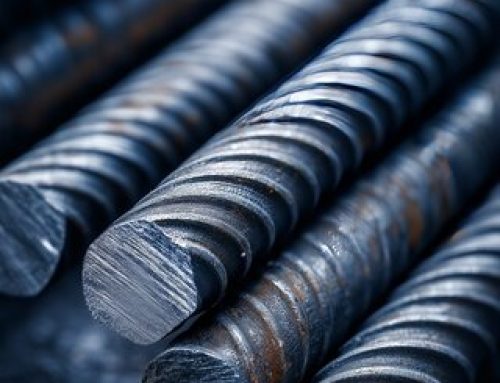
- Rebar → typically faster production
- Steel beams → moderate lead time
- Heavy plates → longer due to rolling complexity
- Coated materials → additional processing time
For structural materials, buyers should verify specifications using steel beam sizes chart: I-beam vs H-beam vs UB dimensions before confirming production timelines.
Shipping Time and Logistics Considerations
Shipping is a major part of steel lead time, especially in international trade.
Key factors include:
- Shipping route and distance
- Container availability
- Port congestion
- Weather conditions
For example:
- Turkey to UK → relatively fast and stable
- Turkey to West Africa → longer and less predictable
Buyers importing material should always review importing steel from Turkey: process, costs & delivery explained to understand full logistics timelines.
Common Causes of Delays
Even well-planned orders can face delays if certain risks are not managed.
Typical issues include:
- Incorrect or incomplete documentation
- Late production slot allocation
- Changes in order specification
- Port congestion or shipping delays
- Customs clearance problems
Many of these issues are avoidable with proper planning.
Buyers should understand these risks by reviewing steel buying mistakes: 10 costly errors steel buyers must avoid.
Imported vs Local Supply Lead Time
Choosing between imported and local steel has a direct impact on delivery time.
Imported steel:
- Longer lead time (4–10 weeks)
- Lower cost potential
- Higher logistics dependency
Local steel:
- Short lead time (1–2 weeks)
- Higher cost
- Lower risk
Buyers should evaluate imported vs UK steel: cost, lead times & compliance considerations for buyers before making sourcing decisions.
How to Reduce Steel Lead Time
Experienced buyers actively manage lead time rather than reacting to it.
Effective strategies include:
- Confirming specifications early
- Booking production slots in advance
- Ordering full container quantities
- Working with reliable suppliers
- Planning procurement before peak demand periods
Early planning can reduce lead time by several weeks and improve project efficiency.
Lead Time vs Cost Trade-Off
In steel procurement, there is always a trade-off between cost and speed.
- Faster delivery → higher cost
- Lower cost → longer lead time
Buyers must decide based on project priorities. In many cases, paying slightly more for faster delivery can reduce overall project cost by avoiding delays.
Conclusion
Steel lead time is a critical factor that directly impacts project success. Buyers who understand production cycles, shipping timelines, and supply chain risks can significantly reduce delays and improve cost control.
Effective procurement is not just about securing the best price — it is about ensuring that material arrives at the right time, in the right condition, and without disruption.
Speak to CoreMet Steel
CoreMet Steel supports buyers with:
- Accurate lead time planning
- Global sourcing strategies
- Reliable production scheduling
- Efficient logistics coordination
Contact us to ensure your steel is delivered on time and aligned with your project requirements.
Guidance on inspection documents and certification standards is provided by organisations such as the British Standards Institution (BSI), which oversees the adoption of EN standards in the UK.
get a free quote
Built for reliable steel supply.projects.trade.sourcing.partnerships.
From steel coils to fencing systems: sourcing quality materials for global buyers, projects, and distributors.