Accurately calculating steel weight is essential for procurement, cost estimation, and logistics planning. Whether you are purchasing steel beams, plates, or reinforcement bars, weight directly impacts material cost, transport requirements, and structural calculations.
Many buyers rely on approximations, which can lead to over-ordering, increased costs, or project delays. This guide explains how steel weight is calculated, how different product types vary, and how to apply these calculations in real procurement scenarios.


Why Steel Weight Calculation Matters
Steel is always priced per ton, but used in different forms such as metres, lengths, or sheets. This creates a disconnect between how steel is bought and how it is used.
Accurate weight calculation helps buyers:
- Estimate total material cost
- Optimise order quantities
- Reduce waste and over-ordering
- Plan transport and logistics
To understand how pricing connects to weight, buyers should always review steel price per ton before calculating total cost.
Basic Steel Weight Formula
Steel weight is calculated using a simple formula:
Weight (kg) = Volume (m³) × Density (kg/m³)
Standard steel density is:
- 7,850 kg/m³
This value is used across all structural steel calculations unless working with special alloys.
Steel Weight Calculation by Product Type
Steel Plate Weight Calculation:
For steel plates:
Weight (kg) = Length × Width × Thickness × 7,850
Where:
- Length and width in metres
- Thickness in metres
Example:
A plate of 2m × 1m × 10mm (0.01m):
- Weight = 2 × 1 × 0.01 × 7,850 = 157 kg
Steel Beam Weight Calculation:
Steel beams are typically measured in kg per metre (kg/m).
Instead of calculating manually, buyers use standard beam tables.
To compare beam sections and weights, refer to steel beam sizes chart: I-beam vs H-beam vs UB dimensions before estimating total tonnage.
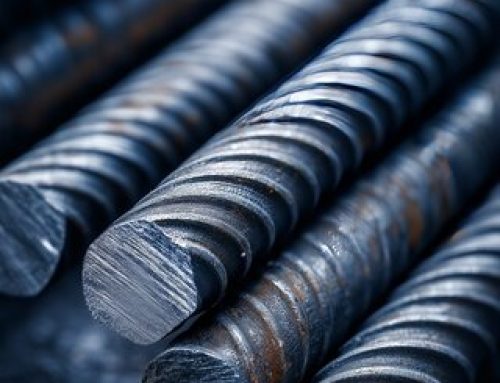
Rebar Weight Calculation:
Rebar weight depends on diameter.
Standard formula:
- Weight (kg/m) = (D² / 162)
- Where D = diameter in mm
Example:
- 12mm rebar → 0.888 kg/m
- 16mm rebar → 1.58 kg/m
Buyers should always confirm values using a rebar sizes and weight chart before placing orders.
Steel Pipe / Tube Weight:
For pipes:
- Weight (kg/m) = (Outer Diameter – Thickness) × Thickness × 0.02466
This is commonly used for hollow sections such as RHS, SHS, and pipes.
Why Weight Affects Steel Cost
Steel is sold per ton, so even small calculation errors can create large cost differences.
For example:
- Overestimating by 1 ton = direct cost increase
- Underestimating = delays and re-ordering
To understand pricing impact, buyers should compare calculations with steel beam price guide: I-beam, H-beam & UB cost per ton.
Weight vs Efficiency in Structural Design
Heavier steel is not always better.
Efficient design focuses on:
- Correct section selection
- Proper load distribution
- Minimising total tonnage
This means choosing the right beam or rebar size rather than simply increasing weight.
For correct material selection, see steel grades explained: S275 vs S355 vs S460.
Common Mistakes in Steel Weight Calculation
Buyers often make critical errors such as:
- Using incorrect density values
- Mixing mm and metre units
- Ignoring tolerances
- Not verifying supplier data
These mistakes can lead to incorrect orders and increased costs.
To avoid procurement issues, review steel buying mistakes: 10 costly errors steel buyers must avoid.
Steel Weight and Logistics Planning
Steel weight directly affects transport:
- Container limits (typically 20–28 tons)
- Handling equipment requirements
- Shipping cost per ton
- Incorrect weight planning can result in:
- Extra freight charges
- Split shipments
- Delivery delays
For full logistics understanding, see importing steel from Turkey: process, costs & delivery explained.
How Professional Buyers Use Weight Calculations
Experienced buyers use weight calculations to:
- Optimise order quantities
- Reduce scrap and waste
- Compare supplier offers accurately
- Plan project budgets
They combine weight calculation with pricing, lead time, and sourcing strategy to make informed decisions.
Conclusion
Steel weight calculation is not just a technical exercise — it is a key part of cost control and procurement efficiency. Buyers who understand how to calculate and apply weight data can significantly reduce risk and improve project outcomes.
Accurate calculations ensure better budgeting, smoother logistics, and more efficient material usage.
Speak to CoreMet Steel
Need help calculating steel weight or planning your order?
CoreMet Steel supports buyers with:
- Weight and quantity calculations
- Product selection guidance
- Global sourcing and delivery
- Competitive pricing with full transparency
Contact us to ensure your steel procurement is accurate, efficient, and cost-effective.
Guidance on inspection documents and certification standards is provided by organisations such as the British Standards Institution (BSI), which oversees the adoption of EN standards in the UK.
get a free quote
Built for reliable steel supply.projects.trade.sourcing.partnerships.
From steel coils to fencing systems: sourcing quality materials for global buyers, projects, and distributors.