When sourcing steel for UK projects, buyers are often faced with a key decision: source steel from UK stockholders or import it from overseas suppliers. Each option offers distinct advantages, but also comes with specific cost, lead time, and compliance considerations.
This guide provides a balanced comparison of imported and UK-sourced steel, helping buyers make informed decisions based on project requirements.
It also explains how cost, lead time, and compliance factors influence sourcing decisions.


Understanding the Difference Between Imported and UK Steel
UK-sourced steel is typically supplied from domestic stockholders or mills, offering faster availability and simplified compliance.
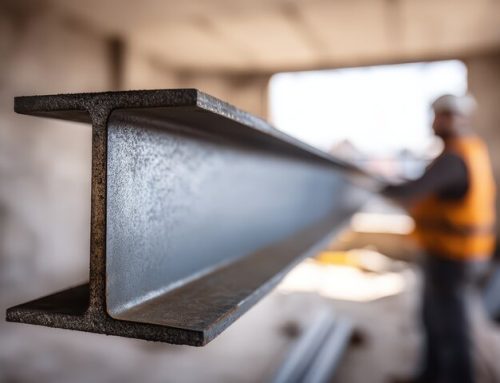
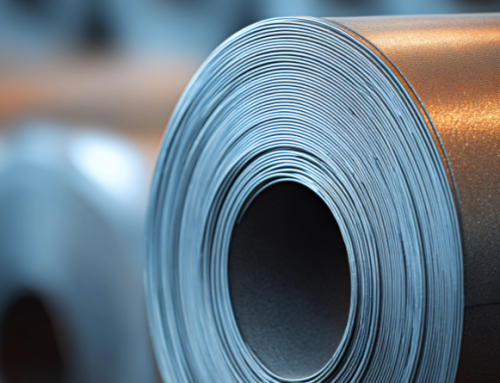
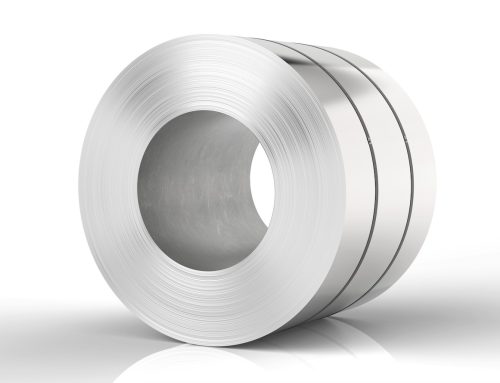
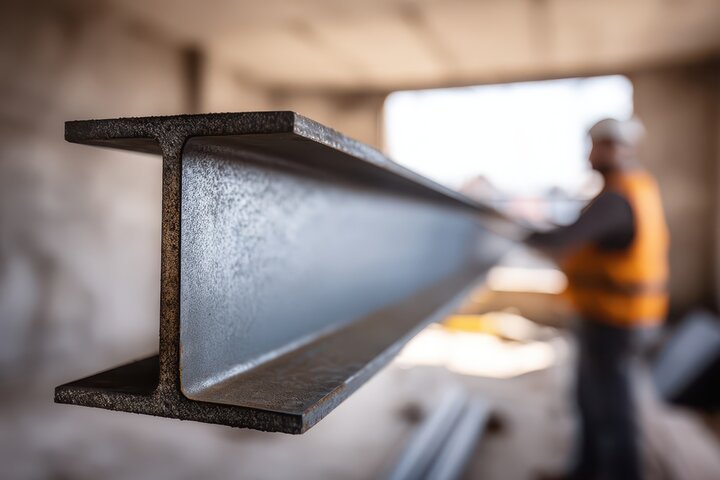
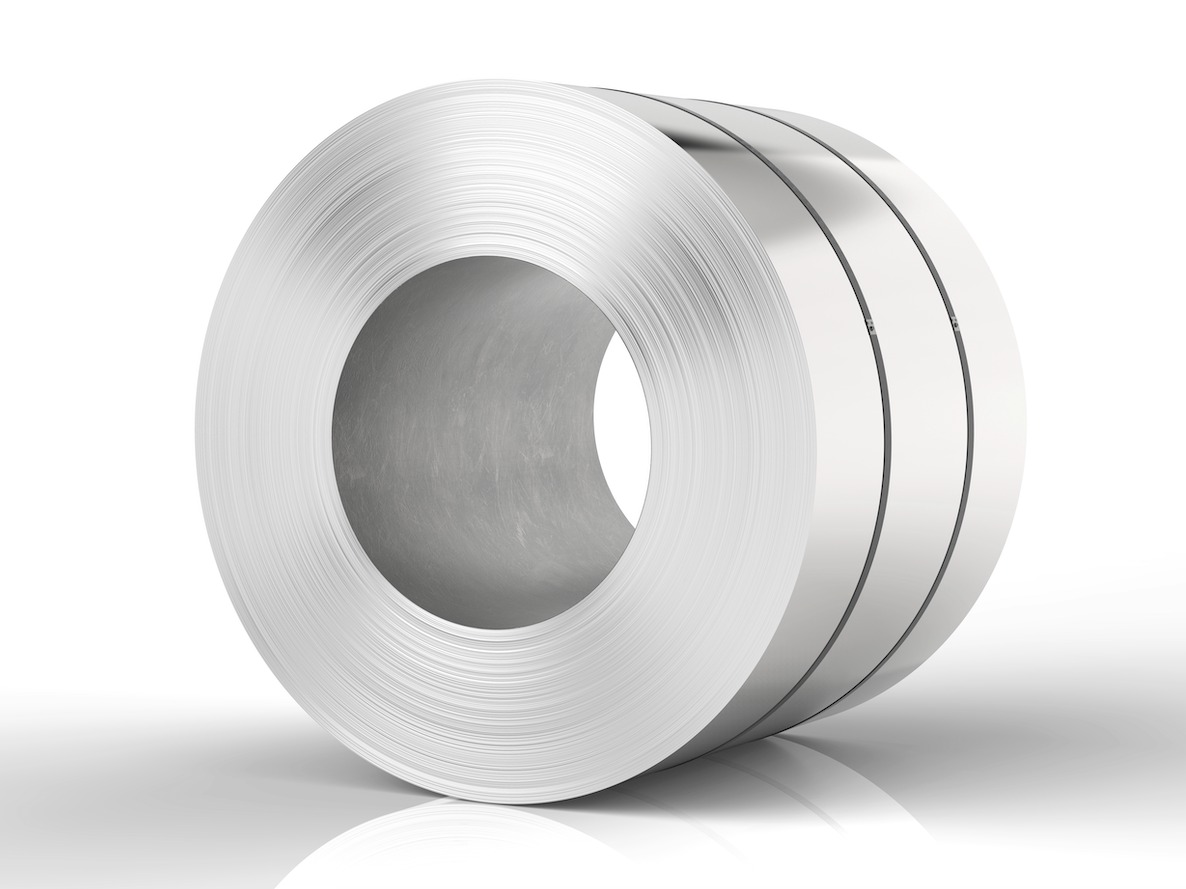
Imported steel is sourced from international mills and traders, often providing cost advantages and wider availability of certain grades or sections. This is common for products such as structural steel sections and steel coils.
Both options are widely used across UK construction, fabrication, and industrial projects.
Cost Considerations – Imported vs UK Steel
UK-Sourced Steel
- Generally higher base cost
- Reduced logistics and shipping expenses
- Lower risk of currency fluctuations
Imported Steel
- Often more competitive pricing
- Cost influenced by freight, duties, and exchange rates
- Better suited for large volumes or planned projects
Buyer insight:
Lower headline price does not always mean lower overall project cost — logistics, delays, and compliance issues can quickly offset savings.
Lead Times and Availability
UK Steel Lead Times
- Shorter and more predictable
- Ideal for urgent or fast-track projects
- Easier to manage last-minute changes
Imported Steel Lead Times
- Longer production and shipping times
- Requires accurate forecasting and planning
- Potential exposure to port congestion or shipping delays
Buyers should align sourcing strategy with project timelines, not just price.
Compliance and Certification Considerations
Compliance is critical for UK construction projects, especially when different steel grades are required.Key requirements often include:
- Correct steel standard (EN or ASTM, as specified)
- Appropriate steel grade (e.g. S275, S355)
- Full traceability and documentation
- Mill Test Certificates to EN 10204
Imported steel can be fully compliant when specified and verified correctly, but requires additional diligence during procurement.
Quality Control and Risk Management
UK-sourced steel often benefits from:
- Familiar standards
- Shorter supply chains
- Easier issue resolution
Imported steel requires:
- Clear specifications
- Verification of documentation
- Reliable inspection and quality checks
The key risk is not origin, but how well the supply chain is managed.
When UK Steel Makes Sense
UK-sourced steel is often preferred when:
- Lead times are critical
- Volumes are smaller
- Project changes are likely
- Local compliance simplicity is required
Risks of Imported Steel vs UK Steel
- Import delays due to logistics or customs
- Risk of incorrect certification
- Currency fluctuation impact
- Supply chain disruption
Working with an experienced global supplier helps mitigate these risks.
When Imported Steel Makes Sense
Imported steel can be advantageous when:
- Large volumes are required
- Cost efficiency is a priority
- Project timelines allow for longer lead times
- Specific grades or sections are not readily available in the UK
How Buyers Can Balance Cost, Lead Time & Compliance
Successful steel procurement is rarely about choosing UK or imported — it’s about selecting the right sourcing strategy for each project.
Many buyers use:
- UK stock for urgent requirements
- Imported steel for planned or high-volume needs
This blended approach helps control cost while reducing risk.
How CoreMet Steel Helps You Source Steel Efficiently
CoreMet Steel works as a steel sourcing partner, helping buyers:
Evaluate global steel sourcing options based on project requirements
- Optimise cost, lead time, and compliance
- Ensure correct certification and documentation
- Manage reliable global supply chains
Our role is to help buyers make informed, project-specific decisions.
Structural Steel Supply Capabilities
We supply structural steel products and services including:
- Supplying a full range of structural steel sections
- Advising on section selection and grades
- Ensuring compliance with EN and international standards
- Supporting UK and global supply chains
Our experience helps reduce risk and improve project efficiency.
Industry Standards and Further Guidance
Structural steel design and section standards are governed by organisations such as the British Constructional Steelwork Association (BCSA), which provides guidance on UK steel construction and best practices.
Speak to CoreMet Steel
Choosing the correct steel grade impacts cost, safety, and delivery timelines.
Contact CoreMet Steel, a UK-based global steel supplier, for:
- Grade selection advice
- UK & international sourcing
- Competitive quotes with certification
get a free quote
Built for reliable steel supply.projects.trade.sourcing.partnerships.
From steel coils to fencing systems: sourcing quality materials for global buyers, projects, and distributors.