Rebar sizes and weight calculations are critical for accurate project costing, structural design, and procurement planning.
Whether you are sourcing reinforcement steel for residential, commercial, or infrastructure projects, understanding rebar weight and sizing helps reduce waste, optimise logistics, and control costs.
This guide provides a complete rebar size chart, weight calculations, and practical buying guidance for UK and international standards.


Quick Summary: Rebar Sizes & Weight
Common sizes: 6mm to 32mm
- Most used: 10mm, 12mm, 16mm, 20mm
- Weight formula: D² ÷ 162 (kg/m)
- Typically supplied in 12m lengths or coils
- Sold per ton in global trade
What is Rebar?
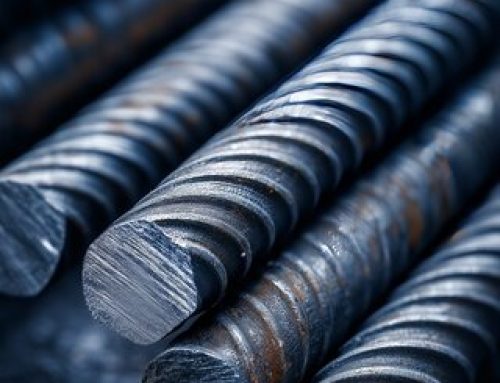
Rebar (reinforcement steel) is used to strengthen concrete structures by improving tensile performance. Rebar is typically supplied in grades such as B500B or B500C (BS 4449), depending on project requirements and regional standards.
It is commonly used in:
- Foundations
- Columns
- Beams
- Slabs
We supply reinforcement steel (rebar) in a full range of sizes and grades for international construction projects.
Common Rebar Sizes (UK & International)
The table below shows commonly used rebar diameters and their typical applications:
| Diameter (mm) | Common Use |
|---|---|
| 6 mm | Light reinforcement |
| 8 mm | Slabs |
| 10 mm | Residential construction |
| 12 mm | General structural use |
| 16 mm | Beams & columns |
| 20 mm | Heavy structures |
| 25 mm+ | Infrastructure projects |
Rebar Weight Chart
These values are based on standard theoretical weights and may vary slightly depending on manufacturing tolerances.
| Diameter (mm) | Weight (kg/m) |
|---|---|
| 6 mm | 0.222 |
| 8 mm | 0.395 |
| 10 mm | 0.617 |
| 12 mm | 0.888 |
| 16 mm | 1.58 |
| 20 mm | 2.47 |
| 25 mm | 3.85 |
How to Calculate Rebar Weight
Formula:
- Weight (kg/m) = D² ÷ 162
Where:
- D = diameter in mm
Example:
- For 12 mm rebar: 12² ÷ 162 = 0.888 kg/m
For other steel calculations, see our steel coil weight calculator guide.
Which Rebar Size Should You Use?
Choosing the correct rebar size depends on structural load, design requirements, and engineering specifications.
- 6–8 mm → slabs and light reinforcement
- 10–12 mm → residential construction
- 16–20 mm → beams and columns
- 25 mm+ → heavy infrastructure
UK vs International Rebar Sizes
In the UK, rebar is commonly supplied according to BS 4449 standards (B500B / B500C), while international projects may follow ASTM A615 or EN standards. Rebar sizing differs globally:
- UK & Europe → metric (mm)
- US → imperial (#3, #4, etc.)
- International → EN / ASTM standards
Understanding standards is important — see our steel grades explained guide.
Rebar Applications
Rebar is widely used in:
- Residential construction
- Infrastructure projects
- Industrial buildings
Bridges and highways
- Industrial foundations
- High-rise construction
For large projects, planning order size is essential — see our minimum order quantity guide.
Rebar Weight and Pricing
Rebar is sold per ton, pricing depends on:
• Steel raw material prices
• Diameter and weight
• Order volume
• Delivery terms (FOB, CFR, DDP)
Weight directly impacts total cost — see our steel prices explained guide.
What Buyers Should Check Before Ordering
Before purchasing:
- Diameter and grade
- Quantity required
- Certification
- Delivery logistics
Grade (B500B, B500C, ASTM A615)
- Length (usually 12m)
- Bundle weight
- Mill origin
- Test certificates (EN 10204 3.1)
Buyers should always verify steel mill test certificates (EN 10204 3.1).
Speak to CoreMet Steel
CoreMet Steel supplies reinforcement steel (rebar) directly from Turkish mills to global construction projects.
Contact CoreMet Steel for:
Competitive rebar pricing (B500B / B500C)
- Full container supply (20–26 MT)
- Export-ready documentation (EN 10204 3.1)
- Reliable global delivery
Guidance on inspection documents and certification standards is provided by organisations such as the British Standards Institution (BSI), which oversees the adoption of EN standards in the UK.
get a free quote
Built for reliable steel supply.projects.trade.sourcing.partnerships.
From steel coils to fencing systems: sourcing quality materials for global buyers, projects, and distributors.