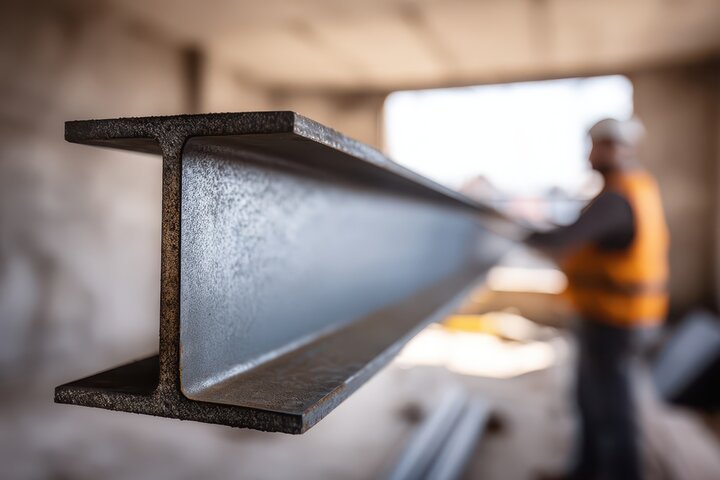
Steel beams are one of the most critical structural components used across construction, infrastructure, and industrial projects worldwide. Whether you are designing a building, sourcing materials for fabrication, or comparing international standards, understanding steel beam sizes, dimensions, and weight is essential for making correct engineering and procurement decisions.
Different beam types such as I-beams, H-beams, and universal beams are designed to meet specific structural requirements. Their geometry directly affects load-bearing capacity, span performance, and cost efficiency. This guide provides a detailed overview of beam types, size charts, and practical selection considerations used in global projects.


What Are Steel Beams?
Steel beams are horizontal structural elements designed to support loads across spans and transfer weight to vertical supports such as columns or walls. They form the backbone of steel structures and are widely used in commercial buildings, warehouses, bridges, and industrial facilities.
From a buyer’s perspective, steel beams are not just defined by shape — they are specified by a combination of:
- Section size and dimensions
- Steel grade (strength)
- Weight per metre (kg/m)
- Applicable standards (EN, ASTM, JIS)
Choosing the correct beam is critical because overspecifying increases cost, while underspecifying creates structural risk.
Types of Steel Beams Explained
Understanding the differences between beam types helps both engineers and buyers select the most efficient and cost-effective solution.
I-Beams (IPE / S-Beams)
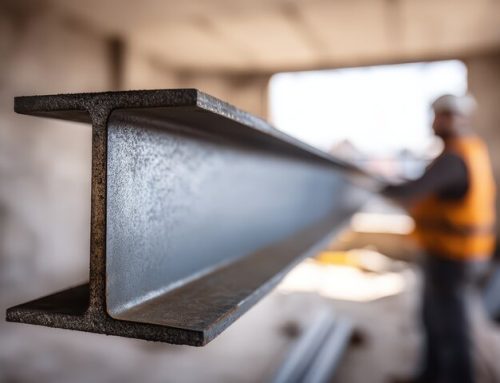
I-beams are characterized by their narrow flange width and thinner web, giving them a lightweight yet efficient profile for certain structural applications.
They are commonly used in:
- Light structural frameworks
- Secondary beams
- Fabrication projects
Because of their geometry, I-beams are particularly effective in carrying vertical loads but are less suitable for heavy multidirectional stress.
From a sourcing perspective, I-beams are widely available globally, making them a cost-effective option for standard applications.
H-Beams (HEA / HEB)
H-beams have wider flanges and thicker cross-sections, making them significantly stronger than I-beams in load-bearing applications.
They are typically used in:
- Heavy construction
- High-rise buildings
- Bridges and infrastructure
The wider flange allows better stress distribution, making H-beams ideal for projects where structural stability and load capacity are critical.
Although they are heavier and more expensive, their performance often reduces the need for additional structural support, which can lower overall project costs.
Universal Beams (UB)
Universal beams are standardized structural sections widely used in international construction projects, particularly in EN-based systems.
They offer:
- Consistent sizing
- Balanced strength-to-weight ratio
- Easy integration into structural designs
Universal beams are often the preferred choice for engineers because they simplify design calculations and material selection across global projects.
Steel Beam Sizes Chart (Typical Dimensions)
Steel beam sizes are typically defined by depth, flange width, and weight per metre. While exact dimensions vary slightly depending on manufacturing standards, the following tables provide widely used reference sizes.
Universal Beam (UB) Sizes Example
| Section | Depth (mm) | Flange Width (mm) | Weight (kg/m) |
|---|---|---|---|
| UB 152x89x16 | 152 | 89 | 16 |
| UB 203x102x23 | 203 | 102 | 23 |
| UB 254x146x31 | 254 | 146 | 31 |
| UB 305x165x40 | 305 | 165 | 40 |
| UB 356x171x51 | 356 | 171 | 51 |
These sizes are commonly used in structural frameworks and building construction where standardisation and reliability are required.
I-Beam (IPE) Sizes Example
| Section | Depth (mm) | Flange Width (mm) | Weight (kg/m) |
|---|---|---|---|
| IPE 100 | 100 | 55 | 8.1 |
| IPE 160 | 160 | 42 | 15.8 |
| IPE 200 | 200 | 100 | 22.4 |
| IPE 240 | 240 | 120 | 30.7 |
| IPE 300 | 300 | 150 | 42.2 |
IPE beams are widely used in fabrication and lighter structural applications due to their efficient material usage.
H-Beam (HEB) Sizes Example
| Section | Depth (mm) | Flange Width (mm) | Weight (kg/m) |
|---|---|---|---|
| HEB 100 | 100 | 100 | 20.4 |
| HEB 160 | 160 | 160 | 42.6 |
| HEB 200 | 200 | 200 | 61.3 |
| HEB 240 | 240 | 240 | 83.2 |
| HEB 300 | 300 | 300 | 117 |
HEB beams are typically selected for heavy-duty applications where higher structural strength is required.
I-Beam vs H-Beam vs Universal Beam – Key Differences
| Feature | I-Beam | H-Beam | Universal Beam |
|---|---|---|---|
| Flange Width | Narrow | Wide | Standardized |
| Strength | Moderate | High | Balanced |
| Weight | Lighter | Heavier | Medium |
| Usage | Light structures | Heavy structures | General construction |
In practical terms, I-beams are often chosen for cost efficiency in lighter structures, while H-beams are used when higher load capacity is required. Universal beams provide a versatile solution that balances strength, availability, and standardisation, making them widely used across global construction projects.
Steel Beam Weight and Why It Matters
Steel beam weight, typically expressed in kilograms per metre (kg/m), plays a critical role in both cost and logistics planning.
Heavier beams:
- Increase material cost
- Affect transportation and handling
- Require stronger support structures
However, heavier sections may reduce the number of beams required, improving structural efficiency.
How to Choose the Right Steel Beam
Selecting the correct beam is not just about size — it involves balancing engineering requirements with cost and availability.
Key factors include:
- Load-bearing requirements
- Span length
- Structural design
- Applicable international standards
- Fabrication and installation method
For international projects, engineers often work with equivalent sections across EN, ASTM, and other standards to ensure compatibility and availability.
Global Standards for Steel Beams
Steel beams are produced according to several major international standards:
- EN (Europe – IPE, HEA, HEB, UB)
- ASTM (USA – W-beams, S-beams)
- JIS (Japan – H-sections)
Understanding these standards is essential when sourcing steel globally, as equivalent sizes and grades may differ slightly depending on the region.
Steel Beam Supply for Global Projects
or international buyers, sourcing steel beams involves more than selecting dimensions. It requires ensuring full compliance with project specifications, certifications, and logistics requirements.
Key considerations include:
- Correct standard and section size
- Verified steel grade
- Mill Test Certificates (EN 10204 3.1 or 3.2)
- Reliable delivery timelines
Speak to CoreMet Steel
Choosing the correct steel beam impacts structural performance, cost efficiency, and project timelines. Contact us for:
Beam size and section selection
- Global sourcing options
- Certified structural steel supply
- Competitive quotations
Guidance on inspection documents and certification standards is provided by organisations such as the British Standards Institution (BSI), which oversees the adoption of EN standards in the UK.
get a free quote
Built for reliable steel supply.projects.trade.sourcing.partnerships.
From steel coils to fencing systems: sourcing quality materials for global buyers, projects, and distributors.