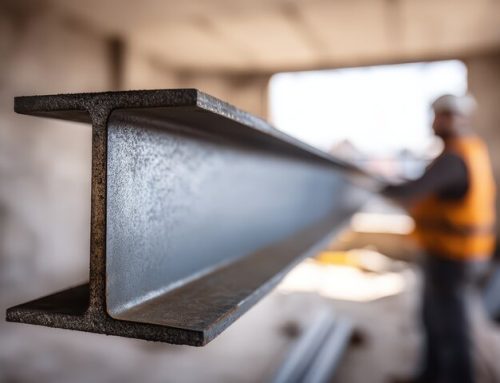
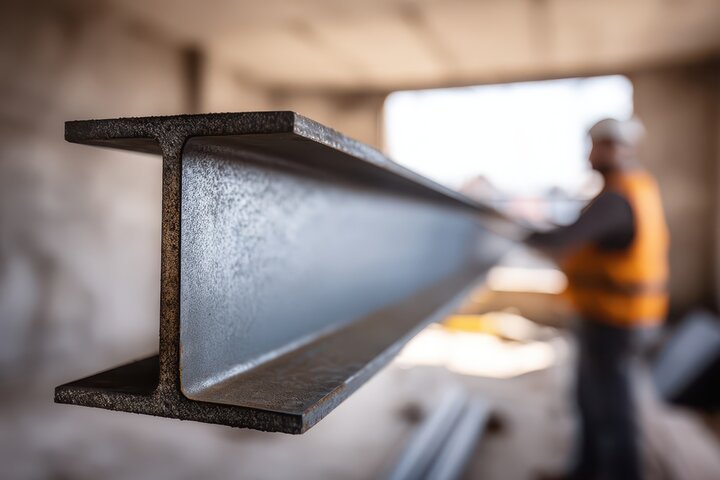
Steel beam pricing is a key cost driver in structural projects, yet it is often misunderstood by buyers who focus only on base price per ton. In reality, the cost of I-beams, H-beams, and universal beams is influenced by section size, weight, production origin, and supply chain complexity.
Professional buyers evaluate beam pricing based on total project cost, not just material price. This includes logistics, fabrication efficiency, and compliance requirements. This guide explains how steel beam pricing works globally and how to approach procurement strategically.


What Does Steel Beam Price per Ton Include?
Steel beam price per ton refers to the cost of structural sections per metric ton (1,000 kg), typically quoted under EXW, FOB, or CIF terms.
This price generally includes:
- Steel production and rolling
- Section forming (I, H, UB profiles)
- Standard mill packaging
However, it does not include total landed cost, which depends on freight, duties, handling, and delivery.
For a broader understanding of pricing across steel products, buyers should always review steel price per ton before comparing supplier offers.
Indicative Steel Beam Price per Ton (Global Range)
Steel beam pricing varies by region, section type, and demand.
Typical global ranges:
- I-Beams / IPE sections: $600 – $800 per ton
- H-Beams / HEA-HEB: $650 – $900 per ton
- Universal Beams (UB): $650 – $950 per ton
These prices depend on:
- Section size and weight
- Steel grade (S275, S355)
- Order volume
- Market conditions
Buyers comparing different beam types should also understand steel beam sizes and weight chart to evaluate cost per metre, not just cost per ton.
Key Factors That Affect Steel Beam Pricing
Section Size and Weight Efficiency:
Steel beams are priced per ton, but projects are calculated in metres. Larger and heavier sections may appear expensive per ton but can reduce the number of beams required.
This makes weight efficiency a critical cost factor.
To optimise design and cost, buyers should review steel beam sizes chart: I-beam vs H-beam vs UB dimensions before finalising specifications.
Steel Grade and Structural Requirements
Beam pricing is influenced by grade, typically S275 or S355.
Higher grades:
- Provide better load capacity
- May reduce total steel usage
- Can slightly increase price per ton
For correct selection, see steel grades explained: S275 vs S355 vs S460.
Production Origin and Supply Chain
Origin has a major impact on beam pricing.
- Turkey → competitive export pricing
- Europe → higher cost but faster delivery
- Asia → cost-efficient but longer lead times
Choosing the wrong origin can lead to delays or compliance issues.
Buyers should evaluate imported vs UK steel when comparing cost and risk.
Fabrication and Processing Requirements
Additional processing such as:
- Cutting to length
- Drilling
- Shot blasting
- Painting
adds cost beyond the base steel price.
In many projects, fabrication cost can exceed the difference between two steel suppliers.
Order Volume and Commercial Terms
Steel beams are typically supplied in bulk quantities.
- Small orders → higher cost per ton
- Full container loads → optimal pricing
- Project-based orders → best commercial terms
Buyers should understand this by reviewing minimum order quantity (MOQ) in steel: why 1 container is standard.
Logistics and Transport Cost
Steel beams are heavy and bulky, making transport a major cost component.
Key considerations:
- Container vs breakbulk shipping
- Port handling costs
- Inland transport
In some cases, logistics cost can significantly change supplier competitiveness.
To understand full cost structure, review importing steel from Turkey: process, costs & delivery explained.
Cost per Ton vs Cost per Metre (Critical Insight)
Many buyers compare suppliers based only on price per ton. However, structural steel is used in lengths, not weight alone.
A more accurate approach is to evaluate:
- Cost per metre
- Load capacity per section
- Total tonnage required
This often reveals that a slightly higher price per ton can result in a lower total project cost.
Imported vs Local Steel Beam Pricing
Buyers must balance price with supply chain reliability.
Imported beams:
- Lower base price
- Longer lead times
- Higher logistics complexity
Local supply:
- Higher base price
- Faster delivery
- Lower risk
For full comparison, see imported vs UK steel: cost, lead times & compliance considerations for buyers.
Hidden Costs in Steel Beam Procurement
Ignoring hidden costs can result in significant overruns.
Key risks include:
- Incorrect section specification
- Non-compliant material
- Delivery delays
- Handling and storage costs
To avoid these issues, buyers should review steel buying mistakes: 10 costly errors steel buyers must avoid.
How Professional Buyers Optimise Beam Costs
Experienced buyers focus on efficiency, not just price.
Best practices include:
- Selecting the correct section size
- Using appropriate steel grade
- Planning procurement timelines
- Combining local and imported sourcing
- Verifying certification before shipment
The goal is to minimise total structural cost, not just material cost.
Conclusion
Steel beam pricing is influenced by section geometry, production origin, logistics, and project requirements. Buyers who understand these factors can reduce cost, minimise risk, and improve project efficiency.
The most effective procurement strategy is one that balances price, performance, and reliability, rather than focusing on the lowest offer.
Speak to CoreMet Steel
Choosing the right steel beam impacts both cost and structural performance.
CoreMet Steel supports buyers with:
- Global beam sourcing
- Competitive pricing across multiple origins
- Certified structural steel supply
- Project-based procurement support
Contact us to secure the right beam solution for your project.
Guidance on inspection documents and certification standards is provided by organisations such as the British Standards Institution (BSI), which oversees the adoption of EN standards in the UK.
get a free quote
Built for reliable steel supply.projects.trade.sourcing.partnerships.
From steel coils to fencing systems: sourcing quality materials for global buyers, projects, and distributors.