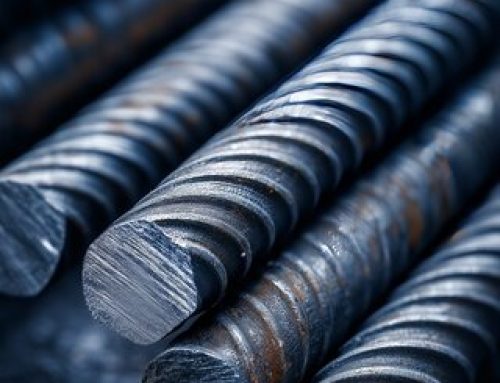
Turkey is one of the world’s leading steel exporters, supplying high-quality products to the UK, Europe, Africa, and Asia. Importing steel from Turkey can offer competitive pricing, flexible production, and fast delivery times.
This guide explains the full process of importing steel from Turkey, including timelines, costs, and key considerations for buyers.


Why Import Steel from Turkey?
Turkey is a preferred sourcing destination due to:
- Competitive pricing compared to EU suppliers
- Strong manufacturing capacity
- Compliance with international standards (EN, ASTM)
- Strategic location for global shipping
Turkish mills are widely used for construction, infrastructure, and industrial projects worldwide.
Should You Import Steel from Turkey?
Importing steel from Turkey is typically a strong option when:
- You require competitive pricing for bulk quantities
- You are comfortable working with container-based shipments (FCL)
- You can manage lead times of 6–10 weeks
- You want direct mill sourcing instead of stock-based purchasing
However, importing may not be ideal if:
- You need urgent delivery from local UK stock
- Your order volume is below container level (MOQ)
- You prefer fully managed DDP supply with no logistics involvement
For most international buyers, importing from Turkey provides better pricing and flexibility compared to local stock purchases.
Step-by-Step Steel Import Process
In most cases, suppliers require 30% advance payment with the balance before shipment, especially for mill-based production orders.
Importing steel involves several key steps:
- Confirm product specification (grade, size, coating)
- Agree on pricing and incoterms (EXW, FOB, CFR, DAP)
- Production and mill allocation
- Inspection and certification
- Shipment and delivery
Steel products such as galvanized steel coil and other flat products are commonly exported from Turkey.
Production and Delivery Timeline
Delivery times may increase during high-demand periods or when safeguard quotas apply in the UK market.
Typical timeline when importing from Turkey:
- Production: 3–5 weeks
- Shipment: 3–6 weeks depending on destination
- Total delivery: 6–10 weeks
Timelines may vary based on product type and mill availability. Lead times may differ for products such as hot rolled steel coil depending on demand and capacity.
Key Costs When Importing Steel
Buyers should consider the full landed cost:
- Steel price (per ton, ex-mill or FOB)
- Ocean freight (container shipping)
- Marine insurance
- Import duties and safeguard tariffs (if applicable)
- Port handling and customs clearance
- Inland transport (if required)
In the UK, steel imports may be subject to safeguard quotas, and exceeding these quotas can result in additional duties. Choosing the right incoterm (FCA, FOB, CFR, DAP) significantly impacts total cost and responsibility.
Understanding price drivers is essential. Read our guide on steel prices explained.
Incoterms Explained (EXW, FOB, CFR, DAP)
For UK buyers, FCA or FOB terms are often preferred to maintain control over freight and customs processes. Common incoterms used in steel trade:
- EXW (Ex Works) → Buyer handles everything from factory
- FOB (Free on Board) → Seller delivers to port
- CFR (Cost and Freight) → Seller includes shipping
- DAP (Delivered at Place) → Seller delivers to final destination
Choosing the right incoterm affects cost, risk, and responsibility.
Documents Required for Steel Import
Original or telex-released Bill of Lading (BL) is required for cargo release, depending on shipping arrangements. Accurate documentation is critical to avoid customs delays and additional storage or demurrage charges.
Typical documents include:
- Commercial invoice
- Packing list
- Bill of Lading (BL)
- Mill Test Certificate (EN 10204 3.1)
- Certificate of origin
Certification is critical. Learn more about steel standards and certification.
Common Challenges When Importing Steel
Working with experienced suppliers and forwarders helps minimize risks related to delays, documentation errors, and unexpected costs. Buyers may face:
- Delays in production
- Shipping disruptions
- Incorrect specifications
- Documentation issues
- Misalignment between inspection reports and mill certificates
Working with experienced suppliers helps minimize these risks.
How to Choose the Right Steel Supplier
Ability to provide EN 10204 3.1 Mill Test Certificates is essential for most international projects. Buyers should also evaluate the supplier’s experience with export documentation and logistics coordination.
Key factors to consider:
- Experience in export markets
- Ability to provide certification
- Reliable communication
- Transparent pricing
- Flexible sourcing options
Understanding order quantities is also important. See our guide on steel minimum order quantity.
Industry Standards and Further Guidance
Guidance on inspection documents and certification standards is provided by organisations such as the British Standards Institution (BSI), which oversees the adoption of EN standards in the UK.
Speak to CoreMet Steel
CoreMet Steel supplies steel products directly from Turkish mills, offering competitive pricing, certified materials, and global delivery solutions.
Contact CoreMet Steel for:
- Grade selection advice
- UK & international sourcing
- Competitive quotes with certification
get a free quote
Built for reliable steel supply.projects.trade.sourcing.partnerships.
From steel coils to fencing systems: sourcing quality materials for global buyers, projects, and distributors.