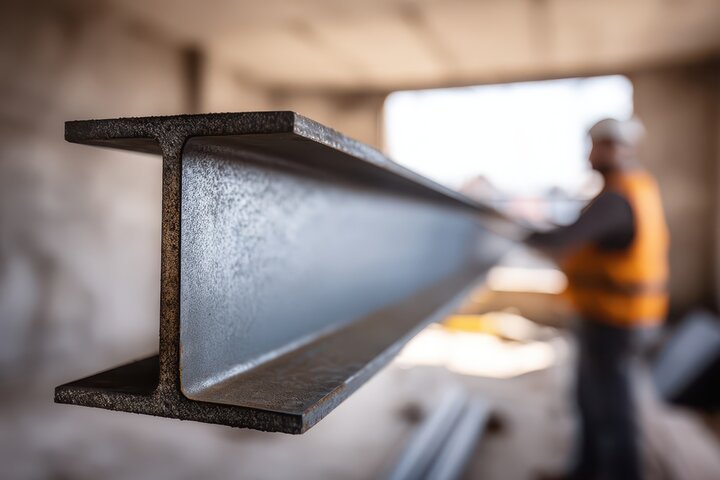
Steel beams are a fundamental component in construction, providing structural support for buildings, bridges, and infrastructure projects. However, not all beams are the same. Buyers often encounter different terms such as I-beams, H-beams, and universal beams (UBs), which can create confusion during specification and procurement.
Understanding the differences between these beam types is essential for selecting the right structural solution, ensuring compliance, and optimizing project cost.


What Are Steel Beams?
Steel beams are horizontal structural elements designed to carry loads and transfer them to columns or supports. They are widely used in:
- Structural frameworks
- Commercial buildings
- Bridges and infrastructure
- Industrial facilities
Their strength comes from their cross-sectional shape, which is designed to resist bending and shear forces efficiently.
Types of Steel Beams
1. I-Beams (Standard I Sections)
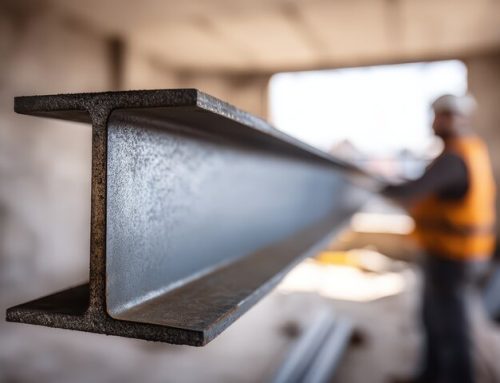
I-beams, also known as rolled steel joists (RSJ), have a cross-section shaped like the letter “I”.
Key characteristics:
- Narrow flanges
- Thinner web
- Lightweight compared to H-beams
- Efficient for vertical load-bearing
Typical applications:
- Residential construction
- Small to medium structures
- Floor and roof supports
I-beams are ideal where weight reduction and cost efficiency are priorities.
2. H-Beams
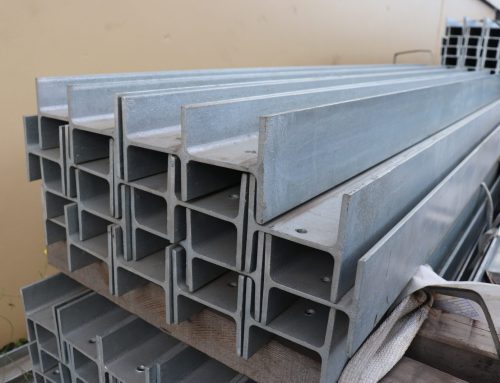
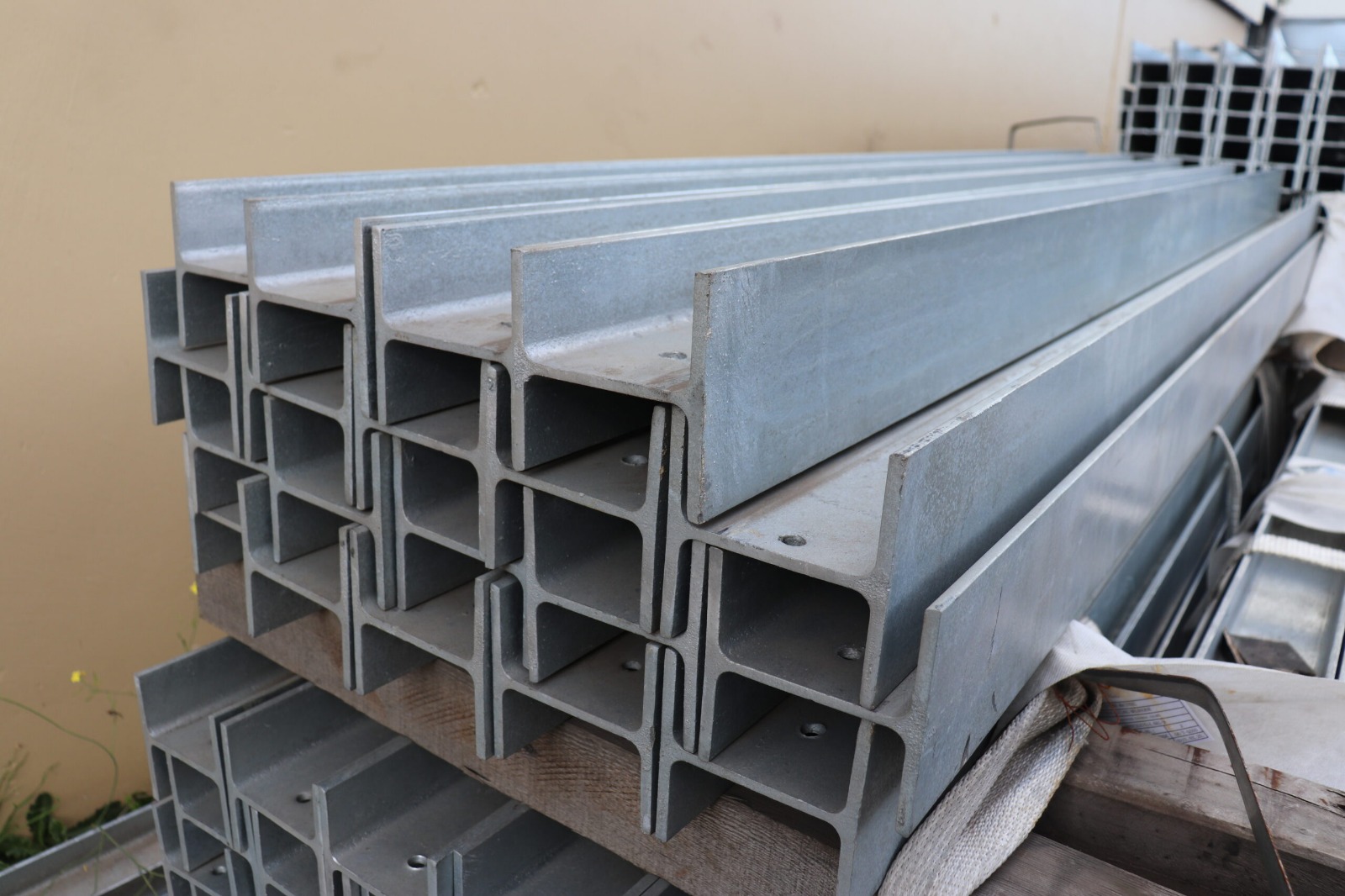
H-beams have a wider flange and thicker web, forming a shape closer to the letter “H”.
Key characteristics:
- Wider and thicker flanges
- Higher load-bearing capacity
- More stable for heavy loads
- Better resistance to bending
Typical applications:
- High-rise buildings
- Bridges
- Heavy structural frameworks
H-beams are preferred for large-scale and high-load projects.
3. Universal Beams (UB)
Universal Beams are the UK standard structural beams, widely used in construction and specified under EN standards.
Key characteristics:
- Standardized dimensions (depth × width)
- Consistent quality and compliance
- Available in grades such as S275 and S355
Typical applications:
- UK construction projects
- Commercial and industrial buildings
- Infrastructure projects
In the UK, “Universal Beam” is the most commonly specified beam type, often replacing generic I-beam terminology.
I-Beam vs H-Beam vs Universal Beam – Key Differences
| Feature | I-Beam | H-Beam | Universal Beam |
|---|---|---|---|
| Shape | Narrow flanges | Wide flanges | Standardized I/H profile |
| Strength | Moderate | High | Depends on grade |
| Weight | Lighter | Heavier | Varies |
| Typical Use | Light structures | Heavy structures | UK construction standard |
| Standards | ASTM / global | ASTM / global | EN (UK & Europe) |
Quick Comparison Insight
- I-Beams → Cost-effective for lighter loads
- H-Beams → Best for heavy structural applications
- Universal Beams → Standard choice for UK projects
How to Choose the Right Steel Beam
Selecting the correct beam depends on several project-specific factors:
Key considerations:
- Load-bearing requirements
- Span length
- Structural design specifications
- Compliance standards (EN or ASTM)
- Fabrication and installation method
Steel Grades Used in Beams
Steel beams are typically produced in structural steel grades such as S235, S275, and S355
- S235 – General structural use
- S275 – Higher strength applications
- S355 – High-performance structural steel
Choosing the correct grade impacts both strength and cost efficiency.
Common Applications of Steel Beams
Steel beams are used across multiple sectors:
- Construction and building frameworks
- Bridges and infrastructure
- Warehouses and industrial units
- Commercial developments
Their versatility makes them one of the most widely used steel products globally.
UK vs Imported Steel Beams
When sourcing beams, buyers often compare UK steel vs imported steel.
- UK beams → Faster delivery, easier compliance
- Imported beams → More cost-effective for large volumes
Why Steel Beam Selection Matters
Choosing the wrong beam can lead to:
- Structural inefficiencies
- Increased costs
- Compliance issues
- Project delays
Proper selection ensures safety, cost control, and long-term performance.
Why Choose CoreMet Steel for Structural Beams
CoreMet Steel supplies structural steel beams for projects across the UK and global markets.
We support buyers with:
- Beam selection based on load and design
- UK and international sourcing options
- Competitive pricing for bulk supply
- Full certification and compliance
Our focus is to ensure your project receives the right material, at the right time, with full documentation.
Speak to CoreMet Steel
CoreMet Steel supplies structural beams for construction projects worldwide, offering reliable delivery and competitive pricing. Contact us for:
Structural beam selection advice
- UK & international sourcing
- Competitive quotes with certification
Guidance on inspection documents and certification standards is provided by organisations such as the British Standards Institution (BSI), which oversees the adoption of EN standards in the UK.
get a free quote
Built for reliable steel supply.projects.trade.sourcing.partnerships.
From steel coils to fencing systems: sourcing quality materials for global buyers, projects, and distributors.