Steel coil surface finish plays a critical role in performance, durability, and processing. While many buyers focus on price and grade, surface condition directly affects corrosion resistance, coating quality, and long-term usability.
Understanding the differences between oiled, dry, pickled, and galvanized finishes helps buyers select the right material and avoid unnecessary costs or failures.


Quick Summary: Steel Surface Finishes
Steel coils are supplied in different surface conditions depending on application and handling requirements.
Main surface types:
- Dry → untreated, basic finish
- Oiled → temporary corrosion protection
- Pickled (HRPO) → clean, scale-free surface
- Galvanized (GI) → zinc-coated for long-term protection
Each finish is designed for a specific use case and environment.
Why Surface Finish Matters in Steel Buying
Surface finish is not just a cosmetic feature — it directly impacts performance, processing, and durability.
For example, steel that is not properly protected can develop rust during storage or transport, while surface contamination can affect painting or coating processes.
Surface finish affects:
- Corrosion resistance
- Paint adhesion
- Fabrication quality
- Storage life
Choosing the correct finish ensures better product performance and reduces long-term costs.
Dry Steel Surface (Uncoated)
Dry steel is supplied without any protective coating or oil layer. This is the most basic form of steel surface and is typically used where immediate processing or indoor application is planned.
Because there is no protection, dry steel is highly susceptible to corrosion when exposed to moisture or humidity.
Characteristics:
- No corrosion protection
- Lowest cost option
- Suitable for indoor or immediate use
Typical applications:
- Structural steel
- Construction frameworks
- Further processing
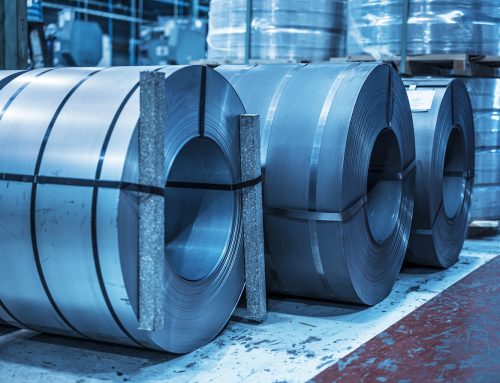
Dry steel is commonly supplied as hot rolled steel coils for structural applications.
Oiled Steel Surface
Oiled steel is coated with a thin layer of oil to provide temporary protection against corrosion during storage and transport. This is commonly used when steel needs to be shipped over long distances but will be processed later.
The oil layer helps prevent oxidation, but it is not a permanent solution and usually needs to be removed before painting or further processing.
Benefits:
- Reduces risk of rust during transport
- Maintains surface quality
- Cost-effective protection
Limitations:
- Not suitable for long-term exposure
- Requires cleaning before use
Oiled surfaces are commonly used in cold rolled steel coils for manufacturing applications.
Pickled Steel Surface (HRPO)
Pickling is a process that removes mill scale from hot rolled steel using acid treatment. This results in a clean, smooth surface that is easier to process and coat.
HRPO (Hot Rolled Pickled & Oiled) combines pickling with a light oil coating for added protection.
Key features:
- Clean surface without scale
- Improved coating adhesion
- Better consistency
Typical uses:
- Automotive components
- Fabrication work
- Machinery parts
Pickled materials are also known as HRPO — see our HRPO steel guide.
Galvanized Steel Surface (GI)
Galvanized steel is coated with zinc to provide long-term protection against corrosion. This makes it ideal for outdoor and exposed environments.
The zinc layer acts as a barrier and also provides sacrificial protection, meaning it corrodes before the steel underneath.
Key features:
- High corrosion resistance
- Long service life
- Suitable for harsh environments
For outdoor and export applications, galvanized steel coils are widely preferred.
Common coating levels:
| Coating | Application |
|---|---|
| Z100 | Indoor/light use |
| Z275 | Standard outdoor |
| Z450 | Heavy-duty environments |
Surface Finish Comparison Table
Each surface type offers different benefits depending on application and environment.
| Finish | Protection | Cost | Use |
|---|---|---|---|
| Dry | None | Low | Structural |
| Oiled | Temporary | Low | Transport/storage |
| Pickled | Clean surface | Medium | Fabrication |
| Galvanized | High | Higher | Outdoor |
How to Choose the Right Surface Finish
Selecting the correct surface finish depends on how the steel will be used, stored, and processed.
Choose Dry if:
- Immediate processing
- Indoor use
- Low cost priority
Choose Oiled if:
- Temporary protection required
- Long-distance transport
Choose Pickled if:
- Clean surface needed
- Painting or coating required
Choose Galvanized if:
- Outdoor exposure
- Long-term durability needed
Surface Finish and Steel Pricing
Surface finish has a direct impact on steel cost due to additional processing steps.
Cost ranking:
- Dry → lowest cost
- Oiled → slightly higher
- Pickled → moderate cost
- Galvanized → highest cost
Steel pricing varies depending on coating and processing — see our steel price factors guide.
Packaging and Storage Considerations
Best practices:
- Define specifications clearly
- Choose correct material
- Plan lead times
- Verify supplier
- Understand logistics
Speak to CoreMet Steel
CoreMet Steel supplies steel coils with a full range of surface finishes tailored to different applications and environments. Contact us for:
Expert product selection
- Competitive pricing
- Reliable global supply
Guidance on inspection documents and certification standards is provided by organisations such as the British Standards Institution (BSI), which oversees the adoption of EN standards in the UK.
get a free quote
Built for reliable steel supply.projects.trade.sourcing.partnerships.
From steel coils to fencing systems: sourcing quality materials for global buyers, projects, and distributors.