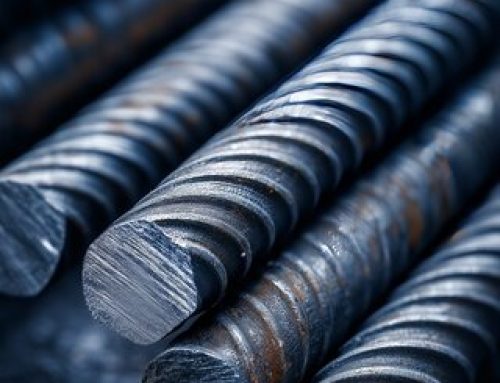
Hot rolled steel coil (HRC) is one of the most widely used steel products across construction, manufacturing, automotive, and infrastructure projects. Its versatility, competitive pricing, and wide availability make it a core material for global buyers sourcing steel in large volumes.
Understanding HRC pricing, specifications, and supply options is essential for making cost-effective purchasing decisions. Factors such as thickness, grade, origin, and logistics can significantly impact the final cost per ton, especially in international trade.
This guide explains everything buyers need to know — from price benchmarks and coil sizes to grades and sourcing strategies — helping you confidently procure hot rolled steel coils in global markets.


What is Hot Rolled Steel Coil (HRC)?
Hot rolled steel coil is produced by rolling steel slabs at high temperatures, typically above 900°C. This process allows the steel to be shaped easily and produced in large continuous coils, making it ideal for bulk applications.
Compared to cold rolled steel, HRC has a slightly rougher surface finish but offers better cost efficiency and structural performance. It is widely used in applications where tight tolerances and surface finish are less critical, such as structural components, pipes, and general fabrication.
Hot Rolled Steel Coil Price per Ton
The price of hot rolled steel coil varies depending on global market conditions, raw material costs, and regional supply-demand dynamics.
Typical global price range:
- Asia (Turkey, China, Vietnam): $520 – $750 / ton
- Europe: $650 – $900 / ton
- Middle East & Africa: $600 – $850 / ton
- USA: $800 – $1,100 / ton
These prices fluctuate frequently due to:
- Iron ore and scrap costs
- Energy prices
- Global demand cycles
- Trade policies and duties
Global steel price trends can also be monitored via World Steel Association.
Standard HRC Coil Sizes & Specifications
Hot rolled coils are produced in a wide range of thicknesses and widths, depending on application requirements.
| Parameter | Range |
|---|---|
| Thickness | 1.5 mm – 25 mm |
| Width | 900 mm – 2,000 mm |
| Coil Weight | 5 MT – 25 MT |
| Port handling & loading | 3–5 days |
| Inner Diameter | 508 mm / 610 mm |
Thicker coils are typically used in structural applications, while thinner coils are used for further processing such as cutting, forming, or pipe manufacturing.
HRC Steel Grades Explained
Hot rolled steel coils are available in various grades depending on mechanical and chemical properties.
Common grades:
- S235 / S275 / S355 (EN Standards) – Structural applications
- ASTM A36 – General construction
- SAE 1006 / 1008 – Forming and fabrication
Choosing the correct grade is critical to ensure performance and compliance with project requirements.
Key Factors Affecting HRC Prices
Several factors influence the cost of hot rolled steel coils beyond just the base steel price.
1. Thickness & Dimensions
Thicker coils generally offer better price efficiency per ton, while thinner coils may carry a premium due to additional rolling processes.
2. Steel Grade
Higher strength grades such as S355 or specialized grades increase pricing due to alloy content and stricter production requirements.
3. Order Volume
Bulk purchases (full container or vessel quantities) significantly reduce cost per ton compared to small orders.
4. Origin & Supply Source
Steel sourced from Turkey, Asia, or Eastern Europe is often more competitive compared to domestic supply in higher-cost regions.
5. Logistics & Incoterms
Freight, port handling, and delivery terms (FOB, CFR, DDP) can significantly impact total landed cost.
Common Causes of Delays
Even well-planned orders can face delays if certain risks are not managed.
Typical issues include:
- Incorrect or incomplete documentation
- Late production slot allocation
- Changes in order specification
- Port congestion or shipping delays
- Customs clearance problems
Many of these issues are avoidable with proper planning.
Buyers should understand these risks by reviewing steel buying mistakes: 10 costly errors steel buyers must avoid.
Applications of Hot Rolled Steel Coil
Hot rolled coils are used across a wide range of industries due to their strength and cost efficiency.
Common applications:
- Structural fabrication
- Steel pipes and tubes
- Automotive components
- Shipbuilding
- Storage tanks and pressure vessels
Imported vs Local HRC Supply
Buyers often choose between local stock and imported steel coils depending on project requirements.
Imported HRC advantages:
- Lower cost per ton
- Availability of large volumes
- Access to wider grade range
Local supply advantages:
- Faster delivery
- Reduced logistics complexity
- Easier compliance
How to Source Hot Rolled Steel Coil Efficiently
Successful sourcing is not just about finding the lowest price — it’s about balancing cost, lead time, and reliability.
Experienced buyers typically:
- Combine local and imported supply
- Lock prices based on market timing
- Work with suppliers who ensure full certification and traceability
How CoreMet Steel Supports Global HRC Buyers
CoreMet Steel works with global mills and supply networks to provide reliable hot rolled steel coil solutions tailored to project needs.
We help buyers:
- Source competitive HRC prices globally
- Select the right grades and specifications
- Manage logistics and delivery timelines
- Ensure compliance with international standards
Whether your requirement is a single container or large-scale supply, our team supports efficient and risk-controlled procurement.
Conclusion
Steel procurement decisions are rarely driven by price alone. While headline cost per ton is important, experienced buyers understand that lead time, specification accuracy, and supply reliability ultimately determine project success.
Hot rolled steel coil offers a strong balance between cost efficiency and performance, making it a preferred choice for large-scale structural and industrial applications. However, selecting the right grade, coil size, and sourcing strategy is essential to avoid delays, compliance issues, or unexpected cost increases.
In global markets, the most effective approach is a balanced sourcing strategy — combining competitive international supply with careful planning, verified documentation, and realistic delivery timelines. Buyers who manage these factors correctly gain a clear advantage in both cost control and project execution.
Speak to CoreMet Steel
CoreMet Steel supports global buyers with reliable sourcing of hot rolled steel coils and related steel products across international markets.
We help you:
- Secure competitive HRC coil prices per ton from trusted global mills
- Select the correct steel grades and specifications for your application
- Manage production schedules and delivery timelines efficiently
- Ensure full compliance with EN, ASTM, and project-specific standards
- Coordinate logistics for smooth and predictable supply
Whether you are sourcing a single container or managing ongoing supply for large projects, we provide practical, commercial support to help you reduce risk and optimise cost.
Contact CoreMet Steel today to discuss your hot rolled steel coil requirements and receive a tailored quotation based on your project needs.
Guidance on inspection documents and certification standards is provided by organisations such as the British Standards Institution (BSI), which oversees the adoption of EN standards in the UK.
get a free quote
Built for reliable steel supply.projects.trade.sourcing.partnerships.
From steel coils to fencing systems: sourcing quality materials for global buyers, projects, and distributors.