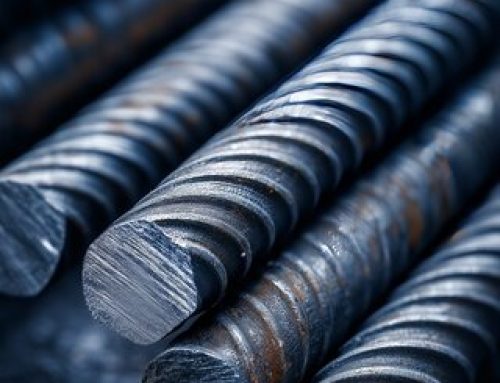
Construction wire is a basic but essential material used across building and infrastructure projects. It is mainly used for tying reinforcement, securing components, and supporting temporary positioning during construction.
Although it is often treated as a low-value item, its role on-site is critical. In real projects, poor-quality wire leads to breakage, slow work, and unnecessary material waste. Over time, this affects both labour efficiency and total project cost.


What Is Construction Wire?
Construction wire is typically a low carbon steel wire designed for flexibility and ease of handling. It is commonly supplied in coils or small bundles and used for manual tying and fixing.
Unlike cold drawn steel wire, it is not designed for strength or precision. Instead, its purpose is to allow quick and efficient handling during construction work, where speed and usability matter more than mechanical performance.
Types of Construction Wire
Construction wire is available in different forms depending on application and environment. While the differences are not complex, choosing the right type improves both efficiency and durability.
The most common types include:
- black annealed wire for general site use
- galvanized wire for outdoor or exposed conditions
- soft tying wire for easier handling and faster work
In practice, most projects use black annealed wire, as it provides the best balance between cost and usability.
Typical Sizes and Applications
Wire diameter is one of the main factors affecting how the wire performs on-site. It influences both strength and ease of use.
| Wire Diameter | Typical Use |
|---|---|
| 0.7 – 0.9 mm | Light tying work |
| 1.0 – 1.2 mm | Standard construction use |
| 1.4 – 1.6 mm | Heavy-duty applications |
Most builders prefer mid-range sizes, as they are easy to handle while still providing enough strength for secure tying.
How Construction Wire Is Used on Site
Construction wire is used daily in a wide range of tasks, particularly in reinforcement work and general fixing.
Typical uses include:
- tying reinforcement bars, often based on rebar sizes and weight chart
- securing mesh and structural elements
- fixing temporary supports during assembly
- general-purpose fastening across site work
In practice, speed of use is more important than strength. This is why softer wire is generally preferred by workers.
Construction Wire vs Cold Drawn Wire
The difference between construction wire and cold drawn wire is often misunderstood during procurement.
Construction wire is flexible and easy to handle, while cold drawn wire is stronger and more precise. However, that strength is not needed for most construction applications.
Using the wrong type creates problems:
- cold drawn wire → harder to handle, higher cost
- construction wire → not suitable for industrial precision use
Understanding this difference helps avoid unnecessary cost and inefficiency.
Cost Considerations
Construction wire is generally low-cost compared to other steel products, but pricing still varies depending on specification and supply conditions.
The main factors affecting cost include:
- wire diameter and coil size
- black or galvanized surface type
- packaging and supply format
- order volume and delivery terms
Even small price differences can add up due to high consumption. For comparison, refer to steel wire price guide: galvanized, binding & high carbon wire costs explained.
How to Choose the Right Construction Wire
Choosing the right wire is mainly about practicality. The focus should be on usability, efficiency, and working conditions rather than performance specifications.
Buyers should consider:
- ease of handling on-site
- required strength for tying
- exposure to moisture or outdoor conditions
- expected consumption volume
- In most cases, 1.0–1.2 mm black annealed wire provides the best balance between cost and usability.
Supply and Sourcing Considerations
Construction wire is usually supplied in coils or bundled formats, making it easy to transport and distribute. However, supply reliability is critical, especially for large or ongoing projects.
Buyers sourcing internationally should review importing steel from Turkey: process, costs & delivery explained, as delays or inconsistent supply can affect project timelines.
In practice, consistent delivery is often more important than small price differences.
Conclusion
Construction wire may appear to be a simple product, but it plays a key role in daily site operations. Choosing the right type and quality improves efficiency, reduces waste, and supports smooth project execution.
Understanding its role — and how it differs from industrial wire — helps buyers make practical and cost-effective decisions.
Speak to CoreMet Steel
CoreMet Steel supplies construction wire for building and infrastructure projects worldwide.
We support buyers with consistent quality, competitive pricing, and reliable delivery, ensuring materials arrive ready for use on-site.
Contact us to receive a quotation tailored to your project requirements.
Guidance on inspection documents and certification standards is provided by organisations such as the British Standards Institution (BSI), which oversees the adoption of EN standards in the UK.
get a free quote
Built for reliable steel supply.projects.trade.sourcing.partnerships.
From steel coils to fencing systems: sourcing quality materials for global buyers, projects, and distributors.