Steel lengths, weights, and bundling details play a critical role in ordering, transporting, and installing steel products. Buyers who understand these factors can avoid shortages, site delays, handling issues, and cost overruns. This guide explains what to check before placing a steel order to ensure accuracy, compliance, and smooth project execution.


Why Steel Lengths and Weights Matter
Steel products are manufactured and supplied according to standard lengths and weight tolerances. Incorrect assumptions about length or bundle weight can result in:
- Insufficient quantities on site
- Handling and lifting issues
- Transport restrictions
- Rejected deliveries
- Accurate specification at the ordering stage helps prevent these problems.
Standard Steel Lengths Explained
Most steel products are supplied in standard mill lengths, depending on product type and specification.
Typical examples include:
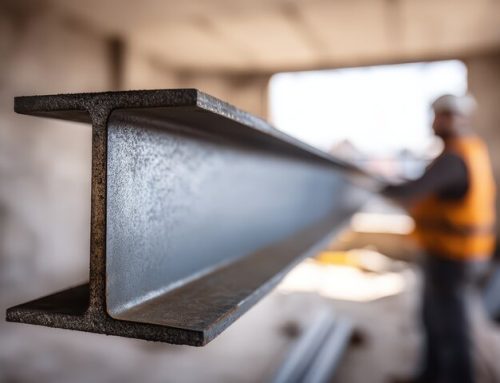
- Structural bars and sections: 6 m or 12 m
- Reinforcing steel: 12 m
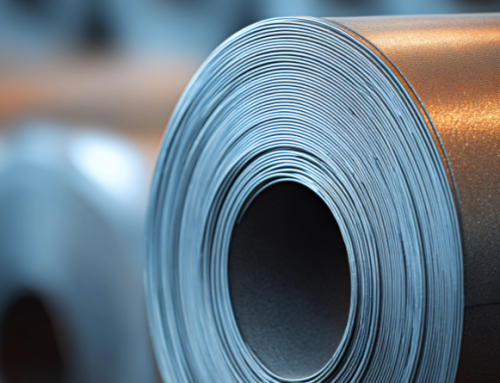
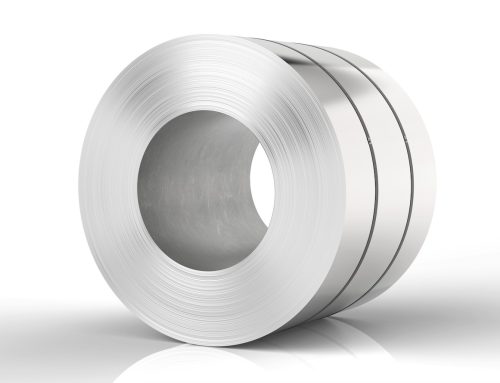
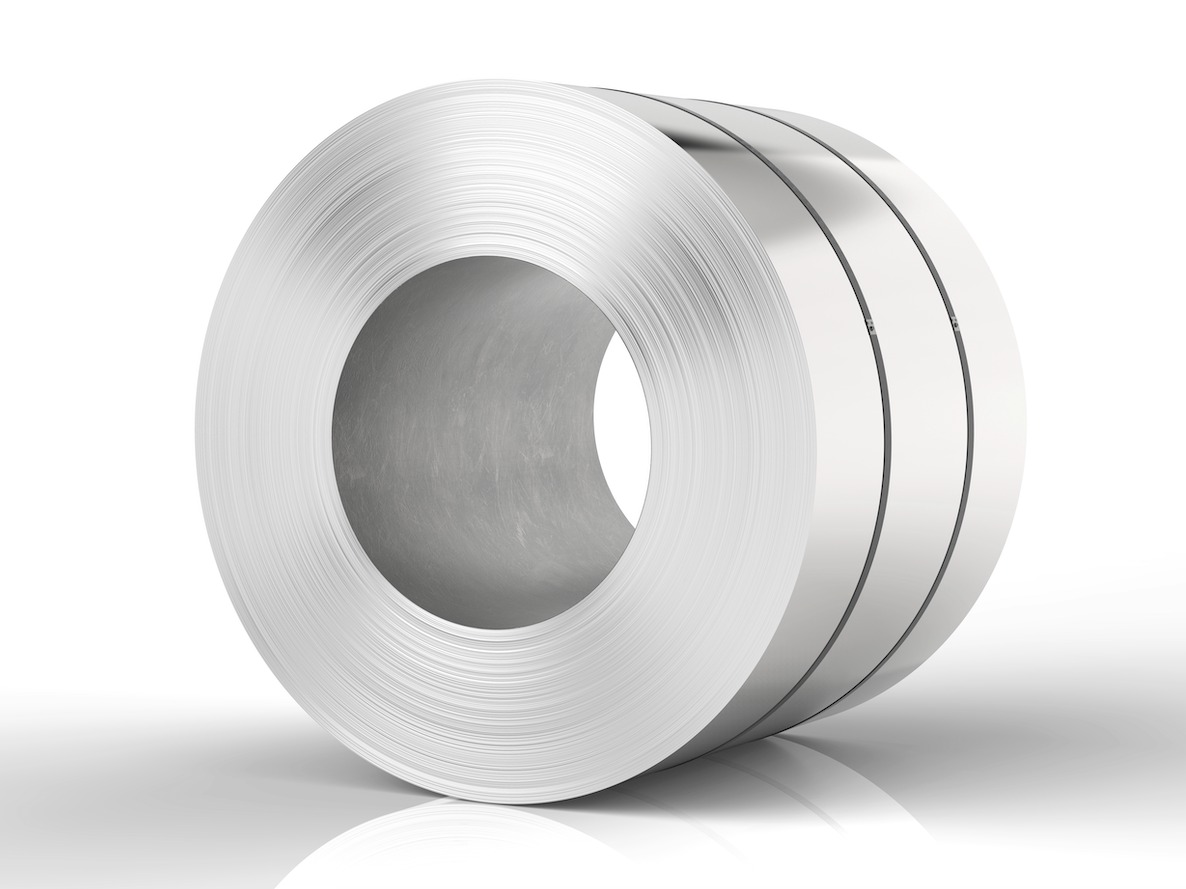
- Coils and sheets: supplied by weight rather than fixed length
Buyers should always confirm whether custom cutting or fixed lengths are required for their project.
Understanding Steel Weights
Steel weight is calculated based on:
- Cross-sectional dimensions
- Length
- Material density
Weight affects:
- Transport planning
- Lifting equipment selection
- Site storage and handling
- Overall project cost
Weight tolerance can vary by standard, making it important to align specifications with project requirements.
Steel Bundling Explained
Steel is typically supplied in bundles to improve handling and transportation efficiency. Bundling practices vary depending on product type and size.
Key bundling considerations include:
- Bundle weight limits
- Number of pieces per bundle
- Strapping and packaging method
- Identification tags and markings
Understanding bundle details helps buyers plan unloading and storage safely.
Common Issues Caused by Incorrect Lengths or Weights
Failure to verify steel lengths, weights, and bundling can lead to:
- Site handling delays
- Equipment mismatch
- Material waste
- Project downtime
These issues are avoidable with proper checks before order confirmation.
What Buyers Should Check Before Ordering Steel
Before placing an order, buyers should confirm:
- Required lengths and tolerances
- Total weight per delivery
- Maximum bundle weight acceptable on site
- Compliance with applicable standards
- Packaging and identification requirements
Clear communication with the supplier reduces risk and improves efficiency.
Steel Products Where Lengths and Weights Are Critical
Length, weight, and bundling details are especially important for:
Industry Standards and Further Guidance
Guidance on inspection documents and certification standards is provided by organisations such as the British Standards Institution (BSI), which oversees the adoption of EN standards in the UK.
Speak to CoreMet Steel
Choosing the correct steel grade impacts cost, safety, and delivery timelines.
Contact CoreMet Steel for:
- Grade selection advice
- UK & international sourcing
- Competitive quotes with certification
get a free quote
Built for reliable steel supply.projects.trade.sourcing.partnerships.
From steel coils to fencing systems: sourcing quality materials for global buyers, projects, and distributors.