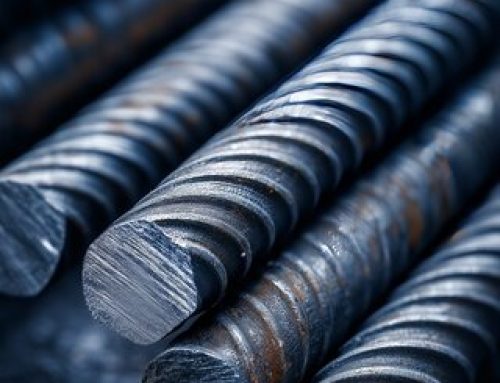
Rebar grades play a critical role in determining the strength and performance of reinforced concrete structures. Choosing the right rebar supplier is equally important to ensure compliance, certification, and reliable delivery. Understanding the differences between these rebar grades helps engineers, contractors, and builders select the right material for safety, compliance, and cost efficiency.
Selecting the correct rebar grade can reduce material costs, improve structural performance, and ensure full compliance with international construction standards.


What Are Rebar Grades?
Rebar grades indicate the minimum yield strength of reinforcing steel, measured in pounds per square inch (psi). Higher rebar grades provide greater tensile strength, allowing structures to higher loads with less steel.
Commonly used rebar grades in construction include Grade 40 and Grade 60, each suited to different structural requirements and project specifications.
Grade 40 Rebar Explained
Grade 40 rebar has a minimum yield strength of 40,000 psi and is typically used in:
- Light structural applications
- Residential foundations
- Sidewalks, slabs, and pavements
Key Characteristics
- Easier to bend and fabricate
- Lower material cost
- Suitable for low to moderate load structures
Grade 60 Rebar Explained
Grade 60 rebar offers a higher minimum yield strength of 60,000 psi, making it the industry standard for most modern structural steel applications.
Common Applications:
- Commercial buildings
- Bridges and highways
- High-rise and infrastructure projects
Key Advantages:
- Higher strength with less steel
- Improved structural performance
- Better compliance with modern building codes
Grade 40 vs Grade 60 – Key Differences
| Feature | Grade 40 | Grade 60 |
|---|---|---|
| Yield Strength | 40,000 psi | 60,000 psi |
| Cost | Lower | Slightly higher |
| Steel Quantity | Needed more | Less |
| Typical Use | Light construction | Structural & Infrastructure |
| Cost per Ton | Lower | Slightly higher |
| Material Efficiency | Requires more steel | Uses less steel |
Grade 60 rebar is now the preferred choice in most modern construction projects due to its higher strength and improved material efficiency. While Grade 40 may offer a lower initial price per ton, Grade 60 often reduces total steel consumption, making it more cost-effective for large-scale and structural applications.
Which Rebar Grade Should You Use?
- Use Grade 40 if:
- Budget is tight
- Project is residential or low-load
- Easier bending and fabrication is needed
- Use Grade 60 if:
- Structural strength is critical
- Project involves commercial or infrastructure work
- You want to reduce total steel quantity
In most modern construction projects, Grade 60 is the preferred standard due to higher strength and compliance with building codes.
EN 10204 3.1 vs 3.2 – Key Differences
| Feature | EN 10204 3.1 | EN 10204 3.2 |
|---|---|---|
| Issued by | Manufacturer | Manufacturer + Independent party |
| Verification | Internal | Third-party |
| Cost | Standard | Higher |
| Lead time | Faster | Longer |
| Typical use | Most projects | High-risk applications |
EN 10204 3.1 certification is sufficient for most construction and fabrication projects. However, EN 10204 3.2 is typically required where independent verification is mandatory, such as in offshore, oil & gas, or safety-critical infrastructure projects.
Which Rebar Grade Should You Choose?
Choosing between Grade 40 and Grade 60 rebar depends on:
- Structural load requirements
- Local building codes
- Project budget
- Engineering design specifications
For large-scale or international projects, sourcing strategy can also impact cost and availability.
Rebar Standards and Specifications
Rebar grades are manufactured in accordance with international standards such as:
- ASTM A615
- BS 4449
- EN 10080
Always confirm project requirements before procurement.
Rebar Supply for Construction Projects
CoreMet Steel supplies certified reinforcing steel (Grade 40, Grade 60, and international equivalents such as B500B/B500C) directly from trusted mills in Turkey and Europe.
We support:
- Full container and bulk shipments
- EN 10204 3.1 certification
- UK, EU, and international standards compliance
- Competitive pricing for large-scale projects
Industry Standards and Further Guidance
For full technical definitions and requirements, refer to the American Society for Testing and Materials (ASTM) standards.
Speak to CoreMet Steel
Selecting the correct rebar grade and certification can significantly impact project cost, compliance, and delivery timelines.
Contact CoreMet Steel for:
Rebar grade selection (Grade 40, Grade 60, B500B/B500C)
- EN 10204 3.1 / 3.2 certification support
- UK, EU, and international supply options
- Competitive pricing for container and bulk orders
get a free quote
Built for reliable steel supply.projects.trade.sourcing.partnerships.
From steel coils to fencing systems: sourcing quality materials for global buyers, projects, and distributors.