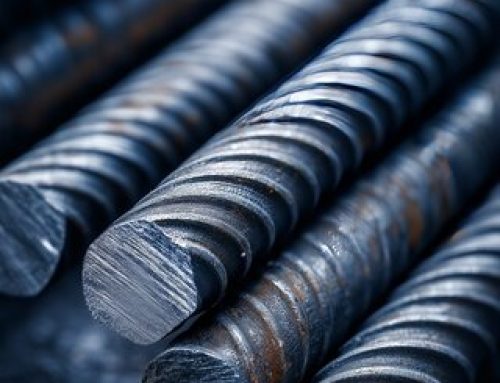
Palisade fencing is one of the most secure and robust perimeter protection systems available, widely used in high-risk environments where strong physical deterrence is required. Its design prioritises security over aesthetics, making it a preferred choice for infrastructure, industrial, and sensitive sites.
Unlike lighter systems such as chain link fence, palisade fencing is designed to resist cutting, climbing, and forced entry, providing a significantly higher level of protection.


What Is Palisade Fencing?
Palisade fencing is a steel barrier system made from vertical pales (steel bars) fixed to horizontal rails and supported by strong steel posts. The pales are typically pointed or shaped at the top to deter climbing and intrusion.
This fencing system is commonly manufactured from hot rolled steel and is often supplied with galvanized or powder-coated finishes for corrosion resistance.
Compared to 3D fence panels, palisade fencing offers much higher physical security but with reduced visibility and higher cost.
Types of Palisade Fencing
Palisade fencing is available in different configurations depending on security requirements and project specifications.
| Type | Description | Application |
|---|---|---|
| W-section pales | Strong profile with high rigidity | Industrial and infrastructure |
| D-section pales | Rounded design, slightly lighter | Commercial and general use |
| Triple point top | Sharp deterrent design | High-security environments |
| Rounded top | Safer, less aggressive finish | Public areas |
The choice depends on the level of security required and whether safety or deterrence is the priority.
Applications of Palisade Fencing
Palisade fencing is used in environments where security is critical and perimeter breaches must be prevented.
Typical applications include:
- Industrial plants and factories
- Power stations and energy facilities
- Airports and rail infrastructure
- Data centres and secure compounds
- Military and government sites
For projects requiring both visibility and security, buyers may also consider 358 mesh fencing as an alternative.
Security Advantages of Palisade Fencing
Palisade fencing is specifically designed to act as a strong physical barrier rather than just a boundary marker.
Key security benefits include:
- Anti-climb design with pointed tops
- High resistance to cutting and tampering
- Strong steel construction
- Difficult to breach without specialised tools
- Long-term durability in harsh environments
Compared to 2D 656 vs 868 fence panels, palisade fencing provides a higher level of physical deterrence.
Limitations of Palisade Fencing
While palisade fencing is highly secure, it is not always the best option for every project.
Limitations include:
- Higher cost compared to mesh systems
- Reduced visibility
- Heavier structure requiring stronger installation
- More industrial appearance
For projects prioritising cost and visibility, 3D fence panels may be a better option.
Pricing Factors for Palisade Fencing
Palisade fencing is typically more expensive than mesh-based systems due to heavier steel usage and fabrication requirements.
Key pricing factors include:
- Pale thickness and profile (W or D section)
- Fence height
- Coating type (galvanized or powder-coated)
- Quantity and project size
- Installation complexity
Since it is steel-based, pricing is directly influenced by steel price per ton, which fluctuates depending on global market conditions.
How to Choose the Right Palisade Fence
Selecting the correct specification depends on the level of security required and the nature of the site.
Buyers should consider:
- Threat level and security requirements
- Site location and exposure
- Required fence height
- Long-term durability expectations
- Budget constraints
For maximum security, palisade fencing can also be combined with razor wire or barbed wire to enhance perimeter protection.
Palisade vs Other Fence Types
Understanding alternatives helps buyers choose the most appropriate system.
- Compared to chain link fence, palisade offers significantly higher security
- Compared to 3D fence panels, it is stronger but more expensive
- Compared to 2D fence panels, it provides better anti-climb protection
- Compared to 358 mesh fencing, it offers stronger physical resistance but less visibility
Each system serves a different role depending on project requirements.
Common Buyer Mistakes
Buyers often select palisade fencing without fully understanding project needs.
Common mistakes include:
- Over-specifying security for low-risk sites
- Underestimating installation cost
- Ignoring aesthetic considerations
- Not planning for long-term maintenance
To avoid these issues, review steel buying mistakes: 10 costly errors steel buyers must avoid.
Conclusion
Palisade fencing is one of the most effective solutions for high-security perimeter protection. Its strength, durability, and anti-climb design make it ideal for critical infrastructure and industrial environments.
However, it should be selected based on actual security requirements, as it may not be the most cost-effective option for all projects.
Speak to CoreMet Steel
Choosing the right fencing system is critical for both security and cost efficiency.
CoreMet Steel supports buyers with:
- Palisade fencing supply and specifications
- Project-based security recommendations
- Global sourcing and competitive pricing
- Complete fencing systems including posts and accessories
Contact us to find the right high-security fencing solution for your project.
Fencing systems used in security and construction projects are typically designed in line with international standards to ensure durability, safety, and long-term performance. Guidance on materials, coatings, and structural requirements can be found from organisations such as the British Standards Institution (BSI).
get a free quote
Built for reliable steel supply.projects.trade.sourcing.partnerships.
From steel coils to fencing systems: sourcing quality materials for global buyers, projects, and distributors.