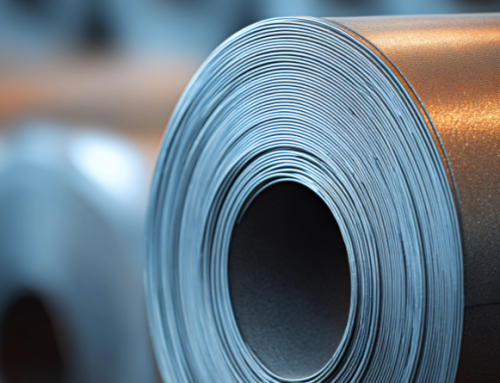
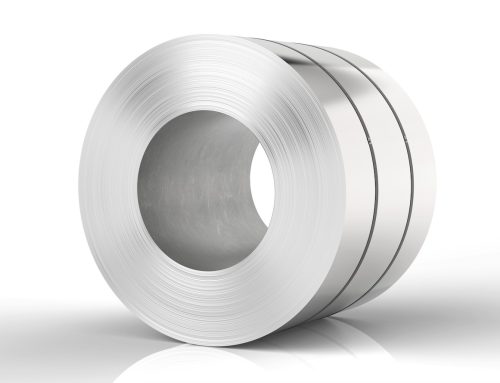
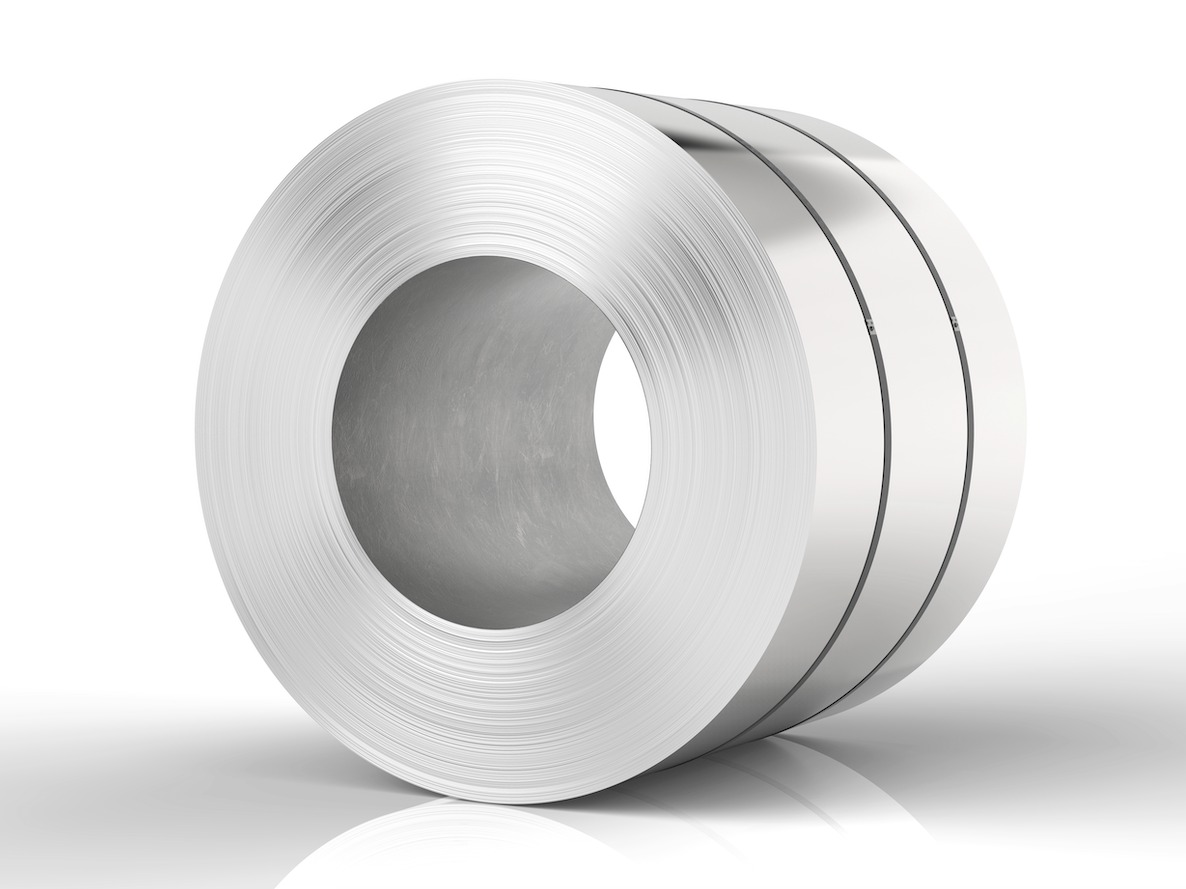
Steel coils must be properly packed and protected before export to prevent damage during transport, especially in long-distance international shipments. Packaging plays a critical role in maintaining product quality, surface condition, and compliance with buyer requirements.
This guide explains how steel coils are packaged, protected, and shipped globally.


Why Steel Coil Packaging Is Important
Improper packaging can lead to:
- Surface damage (scratches, rust)
- Coil deformation
- Moisture exposure
- Customer rejection
For export markets, especially in humid regions, packaging quality is essential.
Steel products such as galvanized steel coils require additional protection due to their coated surface.
Standard Steel Coil Packaging Methods
Steel coils are typically packed using:
1. Eye to Sky (Vertical)
- Coil standing upright
- Used for easier handling
- Common for container loading
2. Eye to Wall (Horizontal)
- Coil laid flat
- Preferred for heavy coils
- Used for stability during transport
Steel Coil Protection Materials
To protect steel during shipping, the following materials are used:
- Waterproof wrapping paper
- Plastic film (moisture barrier)
- Steel outer cover (metal sheet protection)
- Edge protectors
- Wooden pallets or skids
These materials prevent corrosion and physical damage during handling and transport.
Export Packaging for Galvanized and Cold Rolled Steel
Different steel types require different packaging levels:
~ Galvanized Steel Coils
- Extra anti-moisture protection
- Zinc coating must be preserved
- Often packed with metal cover
~ Cold Rolled Steel Coils
- Surface-sensitive
- Requires protective film
- Often used in automotive or precision industries
Understanding coating protection is important — see our galvanized coating comparison guide.
Container Loading for Steel Coils
Steel coils are usually shipped in:
- 20FT containers (most common)
- Weight: approx. 25–28 MT
Typical loading includes:
- 8–12 coils per container (depending on weight)
- Secured with wooden blocks and steel straps
Understanding loading capacity is important when planning orders. Order size and loading capacity should be planned in advance — see our minimum order quantity guide.
How Steel Coils Are Secured During Shipping
To prevent movement:
- Steel straps are used
- Wooden supports block rolling
- Anti-slip materials added
Proper securing reduces risk during sea transport.
Export Documentation for Steel Shipments
Steel exports include key documents:
- Commercial Invoice
- Packing List
- Bill of Lading
- Mill Test Certificate (EN 10204 3.1)
Certification is essential — refer to our EN 10204 3.1 certificate explanation.
Steel Trade and Logistics Considerations
These delivery terms are commonly used when purchasing steel coil products for international delivery.
Surface finish and coating can also impact handling and transport conditions.
For example, corrosion-resistant materials like galvanized coating options (Z275 vs Z140) are preferred for export.
Steel Coil Packaging Standards and Quality Control
Reputable suppliers follow international standards to ensure:
- Consistent packaging quality
- Traceability
- Damage prevention
Buyers should always confirm packaging details before shipment.
Common Mistakes in Steel Coil Shipping
- Choosing weak packaging
- Ignoring moisture protection
- Incorrect container loading
- Poor securing inside container
These can lead to costly damage and delays.
Steel Export to Africa, Middle East & Asia
In regions like Ghana, Kenya, and Singapore:
- Moisture protection is critical
- Transit time is longer
- Packaging must be export-grade
For regional insights, see our steel prices in Kenya guide.
Speak to CoreMet Steel
CoreMet Steel supplies export-ready steel coils with professional packaging and global shipping support.
Contact CoreMet Steel for:
Properly packed steel coils
- Export documentation
- Reliable international delivery
Guidance on inspection documents and certification standards is provided by organisations such as the British Standards Institution (BSI), which oversees the adoption of EN standards in the UK.
get a free quote
Built for reliable steel supply.projects.trade.sourcing.partnerships.
From steel coils to fencing systems: sourcing quality materials for global buyers, projects, and distributors.