
EN 10204 3.1 Certificate Requirements: What Steel Buyers Should Check
When purchasing structural steel, plate, rebar, tubes or other steel products, confirming the material grade on the quotation is only part of the procurement process. Buyers may also need documentation demonstrating that the supplied material corresponds to the required specification.One of the most commonly requested documents in European and international steel trade is the EN 10204 3.1 certificate, often referred to as a 3.1 certificate, inspection certificate or mill test certificate (MTC).However, simply receiving a document labelled “3.1” does not automatically mean the material has been fully checked against the purchase requirement.Steel buyers should understand what information an EN 10204 [...]
S275 vs S355 Steel: Strength, Weight, Price & When to Specify Each
S275 and S355 are two widely specified structural steel grades used for beams, columns, plates, channels and other structural components. At first glance, the main difference appears straightforward: S355 provides a higher minimum yield strength than S275.For steel buyers, fabricators and contractors, however, choosing between S275 and S355 involves more than comparing strength figures.The grade can influence structural design, required section size, availability, material cost, fabrication requirements and certification. Importantly, replacing S275 with S355 does not automatically make an existing component lighter or stronger in every practical sense. Any change from the specified grade needs to be considered against the [...]
Low Carbon vs High Carbon Steel Wire: What’s the Difference?
Low carbon and high carbon steel wire can look very similar, especially when supplied in the same diameter and coil format. However, their mechanical behaviour, manufacturing characteristics and typical applications can be very different.The main difference is the amount of carbon in the steel, but carbon content alone does not determine whether a wire is suitable for a particular application. Tensile strength, ductility, hardness, surface condition, heat treatment and the wire drawing process can all influence the finished product.For buyers, the important question is therefore not simply whether low carbon or high carbon wire is “better”. The correct choice depends [...]
High Carbon Steel Wire Guide: Properties, Grades & Industrial Applications
High carbon steel wire is used where ordinary low carbon wire cannot provide the required strength, hardness or resistance to mechanical loading. It is found in products ranging from springs and ropes to reinforcement components and specialised industrial wire products.For buyers, however, the term high carbon steel wire is only a starting point. Carbon content, tensile strength, wire diameter, heat treatment, surface condition and manufacturing process can all affect how the finished wire performs.This means two high carbon wires of the same diameter are not necessarily interchangeable. Understanding the specification and the intended end use is essential before comparing suppliers [...]
Steel Wire Specifications Explained: Diameter, Tensile Strength, Coating & Tolerances
Steel wire specifications can look straightforward, but diameter alone rarely tells a buyer enough. Two coils may both be described as 4.5 mm galvanized steel wire, yet differences in tensile strength, dimensional tolerance, zinc coating and coil format can make them suitable for completely different applications.This becomes particularly important when wire is used in manufacturing, fencing, construction or automated production. A quotation based only on diameter and quantity may be competitive, but it does not necessarily confirm that the material will perform correctly.A good steel wire specification should therefore define the characteristics that matter to the intended application. This guide [...]
Cold Rolled Steel (DC01) Explained: Uses, Specifications & Pricing
DC01 cold rolled steel is one of the most widely used commercial grades for applications requiring smooth surface finish, tight tolerances, and good formability. It is commonly used in automotive, appliance, and light engineering industries where precision and surface quality are critical. This guide covers DC01 steel specifications, applications, equivalent grades, pricing factors, and key considerations for international buyers. What is DC01 Steel? DC01 is the basic commercial cold rolled steel grade, widely used where deep drawing is not required. It is a cold rolled steel grade defined under EN standards. DC → cold rolled [...]
What is DX51D + Z275? Full Guide for Steel Buyers
In global steel trade, DX51D + Z275 is considered the standard choice for galvanized steel coils, balancing corrosion protection, formability, and cost efficiency for large-scale projects. DX51D + Z275 is one of the most widely used galvanized steel specifications in construction, manufacturing, and roofing applications. It combines a formable steel grade with a protective zinc coating, making it ideal for outdoor and industrial use. This guide explains what DX51D + Z275 means, how it is used, and what buyers should check before ordering. Quick Summary: DX51D + Z275 Most commonly supplied in coil form for export, [...]
Steel Standards Explained: EN vs ASTM – A Practical Buyer’s Guide
Choosing the correct steel standard is just as important as selecting the right steel grade. For UK and international buyers, confusion often arises when comparing EN (European) and ASTM (American) steel standards — especially when sourcing steel globally. In this guide, we explain the key differences between EN and ASTM steel standards, how they affect compliance, performance, and procurement, and what buyers should specify to avoid costly mistakes. The choice between EN and ASTM standards depends on project location, regulatory requirements, and whether the steel is sourced locally or imported. What Are Steel Standards and Why [...]
Steel Grades Explained: S275 vs S355 vs S460 – Which Should You Use?
Choosing the correct steel grade is critical for structural performance, cost control, and compliance. For UK and international buyers, S275, S355, and S460 are among the most commonly specified structural steel grades — yet they are often misunderstood or incorrectly substituted. In this guide, we explain the key differences, real-world use cases, and how to choose the right steel grade for your project in 2026. What Do Steel Grades Mean? Steel grades such as S275, S355, and S460 are defined under EN 10025, the European standard for structural steel. “S” = Structural steel Number [...]
When purchasing structural steel, plate, rebar, tubes or other steel products, confirming the material grade on the quotation is only part of the procurement process. Buyers may also need documentation [...]
S275 and S355 are two widely specified structural steel grades used for beams, columns, plates, channels and other structural components. At first glance, the main difference appears straightforward: S355 provides [...]
Low carbon and high carbon steel wire can look very similar, especially when supplied in the same diameter and coil format. However, their mechanical behaviour, manufacturing characteristics and typical applications [...]
High carbon steel wire is used where ordinary low carbon wire cannot provide the required strength, hardness or resistance to mechanical loading. It is found in products ranging from springs [...]
Steel wire specifications can look straightforward, but diameter alone rarely tells a buyer enough. Two coils may both be described as 4.5 mm galvanized steel wire, yet differences in tensile [...]
DC01 cold rolled steel is one of the most widely used commercial grades for applications requiring smooth surface finish, tight tolerances, and good formability. It is commonly used in [...]
In global steel trade, DX51D + Z275 is considered the standard choice for galvanized steel coils, balancing corrosion protection, formability, and cost efficiency for large-scale projects. DX51D + Z275 [...]
Choosing the correct steel standard is just as important as selecting the right steel grade. For UK and international buyers, confusion often arises when comparing EN (European) and ASTM [...]
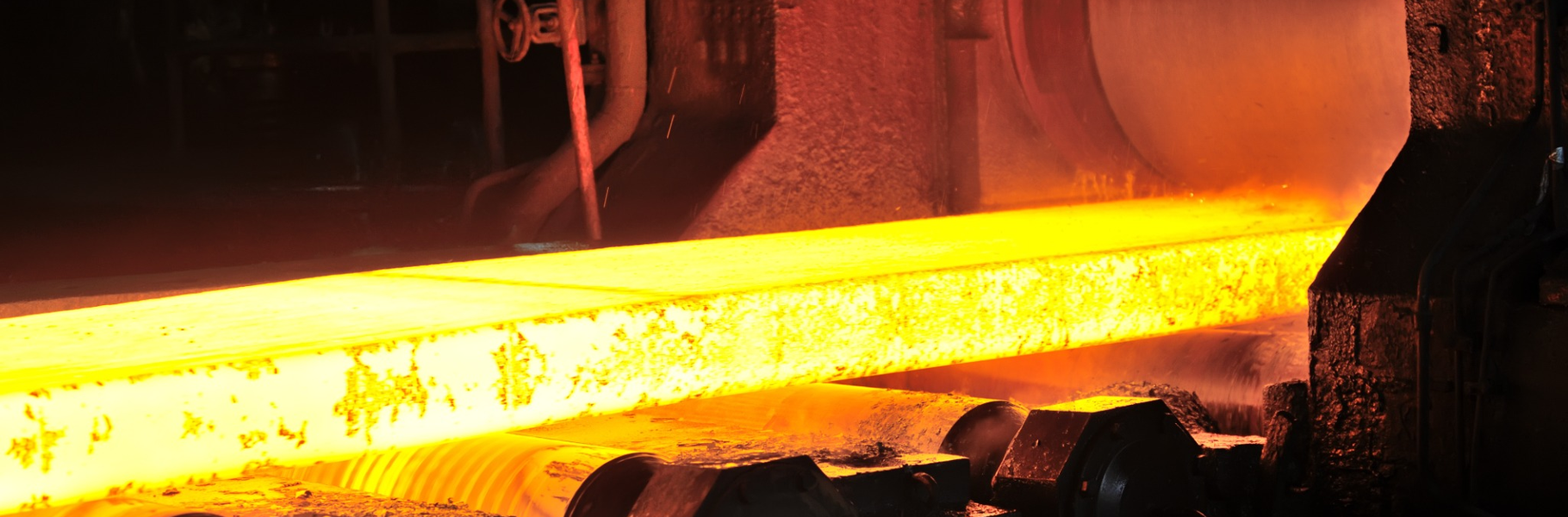
Choosing the correct steel grade is critical for structural performance, cost control, and compliance. For UK and international buyers, S275, S355, and S460 are among the most commonly specified [...]