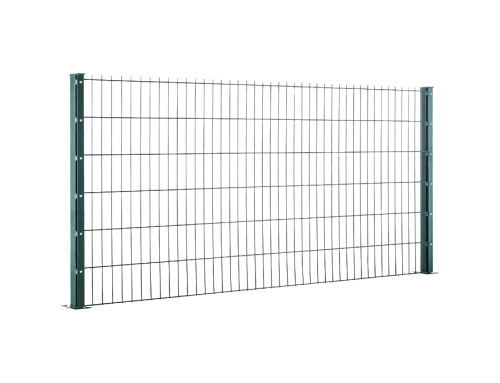
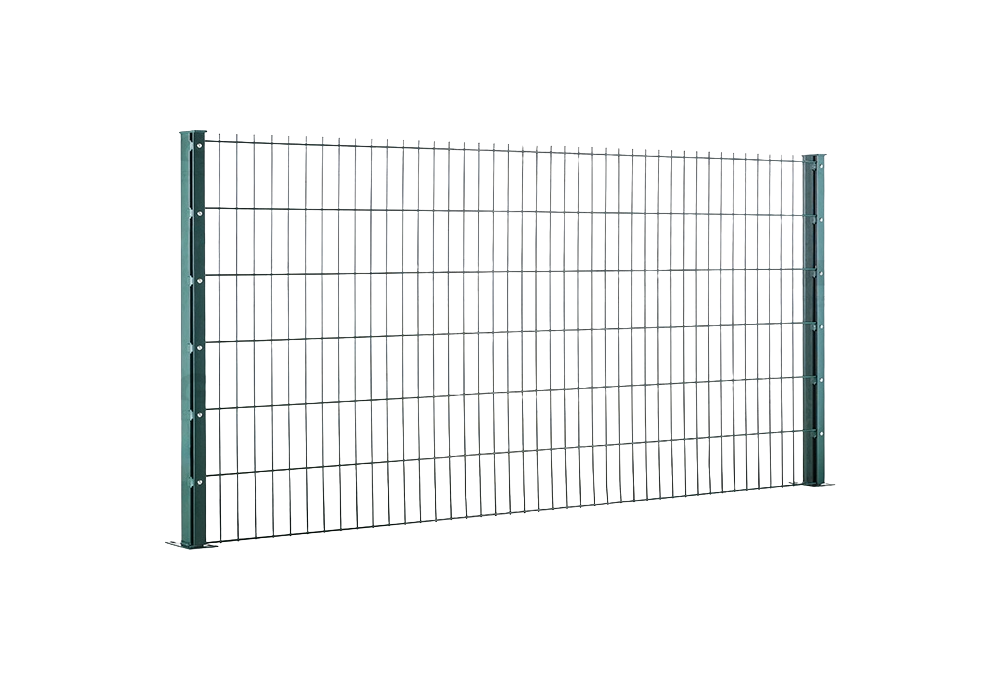
3D fence panels are one of the most widely used fencing systems, widely supplied as 3D fence panels for commercial, industrial, and infrastructure projects. They are commonly used for commercial sites, warehouses, residential developments, and public infrastructure.
While pricing is generally mid-range compared to other fencing systems, the final cost can vary depending on panel specification, coating, and installation requirements. Buyers who focus only on panel price often overlook factors that significantly impact total project cost.


What Is the Typical 3D Fence Panel Price?
3D fence panels are usually priced per panel, with costs depending on wire thickness, height, and coating.
| Type | Specification | Price Range (USD / panel) | Application |
|---|---|---|---|
| 1.2m – 1.5m | Light duty | $18 – $35 | Residential / low traffic |
| 1.8m – 2.0m | Standard | $30 – $60 | Commercial / perimeter |
| 2.4m+ | Heavy duty | $55 – $90+ | Industrial / security |
These prices typically include panels only. Posts, clips, and installation will increase total project cost, especially for larger sites.
Buyers selecting specifications should always align panel choice with available welded mesh fence panels to ensure compatibility with supply and installation.
What Drives 3D Fence Panel Cost?
The main cost factor is wire thickness. Heavier gauge wire increases strength and lifespan but also raises material weight, which directly follows steel price per ton in global markets.
Panel design also affects cost. More bends (the “V” shape) improve rigidity but slightly increase production complexity. Coating plays a key role as well — galvanized panels are more affordable, while powder-coated panels offer better appearance and corrosion resistance at a higher price.
Small changes in specification can have a noticeable impact when scaled across large projects.
Material vs Installation Cost
Material is only part of the total project cost. Installation can vary depending on site conditions, access, and layout.
3D panels are quicker to install than heavier systems like 358 or palisade, but labour costs still increase with fence height and terrain difficulty. Uneven ground or long perimeters can significantly increase installation time.
Buyers should review Fence Installation Guide: Step-by-Step Process for Steel Fencing Systems before planning, as installation costs can often exceed expectations. Correct installation also depends on selecting suitable fence posts and accessories designed for the panel system.
3D Fence Panels vs Other Fencing Costs
3D panels sit in the middle of the price range between low-cost and high-security systems.
Compared to Chain Link Fence Guide: Types, Applications & Buying Guide, 3D panels offer better rigidity, appearance, and durability, making them more suitable for long-term installations. However, they are more expensive upfront.
When compared to 358 Mesh Fence Explained: Anti-Climb Security Fencing Guide, 3D panels are significantly cheaper but do not provide the same level of security. They are best suited for general perimeter use rather than high-risk environments.
How Logistics and Supply Affect Price
For international buyers, logistics plays a key role in pricing. 3D panels are bulkier than chain link mesh, meaning container space must be used efficiently to control shipping cost.
Freight rates, import duties, and inland transport all influence final pricing. Buyers sourcing globally should understand the process explained in Importing Steel from Turkey: Process, Costs & Delivery Explained, as poor planning can reduce any initial price advantage.
How to Optimise 3D Fence Panel Costs
Cost optimisation is about selecting the correct specification, not simply choosing the lowest price.
Buyers should:
- choose wire thickness based on actual use
- avoid unnecessary heavy-duty panels
- match coating to environment
- optimise panel height and layout
For a broader cost comparison, refer to Fence Price Guide: Cost Comparison for Chain Link, 2D, 3D & Security Fencing, which helps determine when upgrading or downgrading system type is more efficient.
Conclusion
3D fence panels provide a strong balance between cost, durability, and appearance, making them one of the most versatile fencing solutions. However, real project cost depends on specification, installation, and logistics.
Buyers who understand these factors can avoid overpaying and ensure the system meets both performance and budget requirements.
Speak to CoreMet Steel
CoreMet Steel supplies 3D fence panels for commercial and industrial projects worldwide.
We help you:
- select the right panel specification
- optimise cost without reducing quality
- source competitively from global suppliers
- manage logistics and delivery efficiently
Contact us to receive a quotation tailored to your project requirements.
Guidance on inspection documents and certification standards is provided by organisations such as the British Standards Institution (BSI), which oversees the adoption of EN standards in the UK.
get a free quote
Built for reliable steel supply.projects.trade.sourcing.partnerships.
From steel coils to fencing systems: sourcing quality materials for global buyers, projects, and distributors.