What Is the Current Steel Price per Ton?
Steel prices per ton vary significantly depending on product type, grade, coating, and global market conditions. For most buyers, understanding steel pricing is not just about the headline number — it is about the total landed cost, including logistics, certification, and supply chain risks.
In global markets, carbon steel products such as hot rolled coils, structural steel sections, and reinforcement bars typically trade within a broad range influenced by raw material costs (iron ore, scrap), energy prices, and regional demand. Prices can fluctuate monthly or even weekly, especially in volatile markets.
For buyers sourcing internationally, steel is often priced on an EXW, FOB, CFR, or CIF basis, meaning the final cost depends heavily on transport, duties, and delivery terms. This is why two suppliers offering the same steel grade can have significantly different total costs.


Key Factors That Affect Steel Price per Ton
Steel pricing is influenced by multiple interconnected factors. Buyers who understand these variables can better negotiate and optimise procurement strategies.
1. Raw Material Costs:
The cost of iron ore, scrap metal, and coking coal directly impacts steel production pricing. When raw material prices increase, mills pass these costs on to buyers, leading to higher steel prices globally.
2. Steel Grade and Specification:
Higher-grade steels such as S355 or specialised alloys typically cost more than standard grades like S235 due to stricter chemical and mechanical requirements.
3. Processing and Coating:
Additional processing such as galvanizing, pickling, or precision cutting increases the cost per ton. For example, galvanized steel (Z275, Z450) is more expensive than black steel due to zinc coating and corrosion protection.
4. Supply and Demand:
Global construction activity, infrastructure projects, and industrial demand significantly impact steel pricing. High demand periods typically lead to price increases and longer lead times.
5. Freight and Logistics:
Shipping costs, container availability, and fuel prices play a major role in final steel pricing. Imported steel may appear cheaper initially but can become more expensive after logistics are included.
Steel Price per Ton by Product Type
Different steel products are priced differently based on manufacturing complexity, demand, and application.
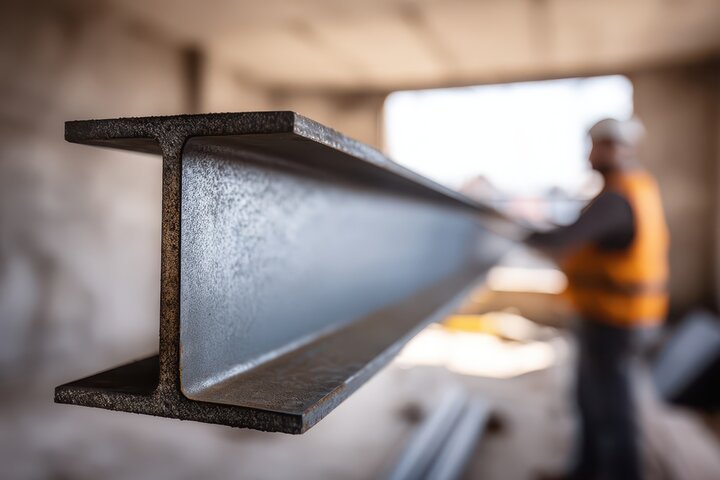
- Structural Steel (Beams, Channels, Angles)
Structural steel sections such as I-beams, H-beams, and universal beams are widely used in construction and infrastructure. Their price per ton depends on section size, weight, and grade.
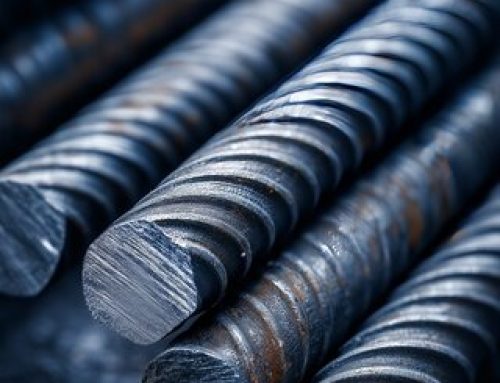
- Reinforcement Steel (Rebar)
Rebar is one of the most traded steel products globally, used in concrete reinforcement. Pricing depends on diameter, grade (e.g. B500B), and market demand.
- Steel Plates
Steel plates are used in heavy engineering, shipbuilding, and industrial applications. Prices increase with thickness, grade, and required certifications.
- Steel Coils (HRC, CRC, Galvanized)
Steel coils are a key raw material for manufacturing and fabrication. Pricing varies based on thickness, coating, and surface finish.
Imported vs Local Steel Pricing
Buyers often compare locally sourced steel with imported options. Each has its own cost structure and risks.
Imported steel can offer lower base prices, especially when sourced from high-capacity manufacturing countries. However, it involves longer lead times, shipping costs, and potential compliance risks.
Local steel, on the other hand, typically comes at a higher base cost but offers faster delivery, easier communication, and simplified compliance with local standards.
Hidden Costs Buyers Must Consider
The listed steel price per ton does not always reflect the true project cost. Buyers must evaluate additional factors to avoid unexpected expenses.
- Transport and freight charges
- Import duties and taxes
- Certification and inspection costs
- Handling and storage
- Currency fluctuations
Failing to consider these factors can lead to significant cost overruns, especially in international projects.
How to Reduce Steel Procurement Costs
Experienced buyers focus not only on price per ton but on total procurement efficiency.
Strategies include:
- Planning orders in advance to secure better pricing
- Consolidating shipments to reduce freight cost per ton
- Choosing the right steel grade to avoid over-specification
- Working with reliable global suppliers to minimise risk
Why Steel Prices Change Frequently
Steel markets are highly dynamic. Prices can change due to:
- Changes in raw material supply
- Global economic conditions
- Government policies and tariffs
- Energy costs
- Seasonal construction demand
Buyers should always request updated quotes and avoid relying on outdated pricing information.
How CoreMet Steel Supports Competitive Pricing
CoreMet Steel works with global mills and suppliers to offer competitive steel pricing while ensuring compliance and reliability.
We support buyers by:
- Providing up-to-date pricing based on global markets
- Offering multiple sourcing options (local and international)
- Ensuring certification and traceability
- Managing logistics and delivery
Our goal is to help buyers secure the right steel at the right price without compromising quality or timelines.
Get a Steel Price Quote
Contact CoreMet Steel today to receive a tailored quotation and expert advice on your steel procurement needs . Contact us for:
- Global sourcing options
- Certified steel products supply
- Competitive quotations
According to the World Steel Association, global steel demand and production trends play a major role in shaping steel prices across international markets.
get a free quote
Built for reliable steel supply.projects.trade.sourcing.partnerships.
From steel coils to fencing systems: sourcing quality materials for global buyers, projects, and distributors.