Designing solar mounting structures requires careful consideration of structural loads, material selection, and environmental conditions, as poor design can lead to system failure or long-term performance issues. A well-engineered system ensures stability, durability, and optimal performance over the full lifecycle of solar installations.
This guide explains the basics of solar mounting structure design and how to select the right materials and configurations.


Why Structural Design is Important in Solar Systems
Structural failures in solar systems are often linked to underestimated wind loads or improper material selection. Correct design reduces risk, ensures compliance with standards, and minimizes long-term maintenance costs.
Key design considerations:
- Wind loads
- Dead loads (panel weight)
- Environmental exposure
- Structural stability
Proper design ensures safety, performance, and cost efficiency.
Understanding Load Requirements in Solar Structures
Load calculations are the foundation of solar structure design and directly determine material thickness, section type, and connection requirements. Ignoring accurate load analysis can result in overdesign (higher cost) or underdesign (structural risk).
Solar structures must be designed to handle different types of loads:
- Dead load → weight of panels and structure
- Wind load → pressure from wind forces
- Live load → maintenance or temporary loads
Load calculations determine the type and size of steel required.
Common Materials Used in Solar Mounting Structures
Material selection impacts not only structural strength but also corrosion resistance, installation efficiency, and total project cost. The right material choice depends on environment, load requirements, and project lifespan.
Typical materials include:
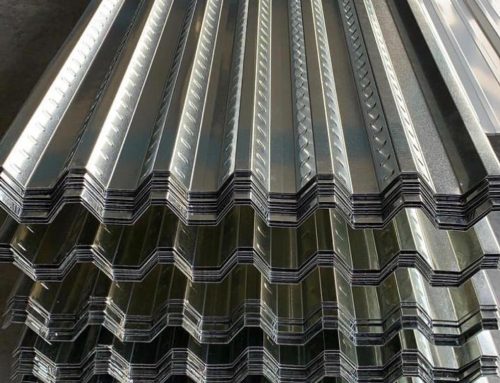
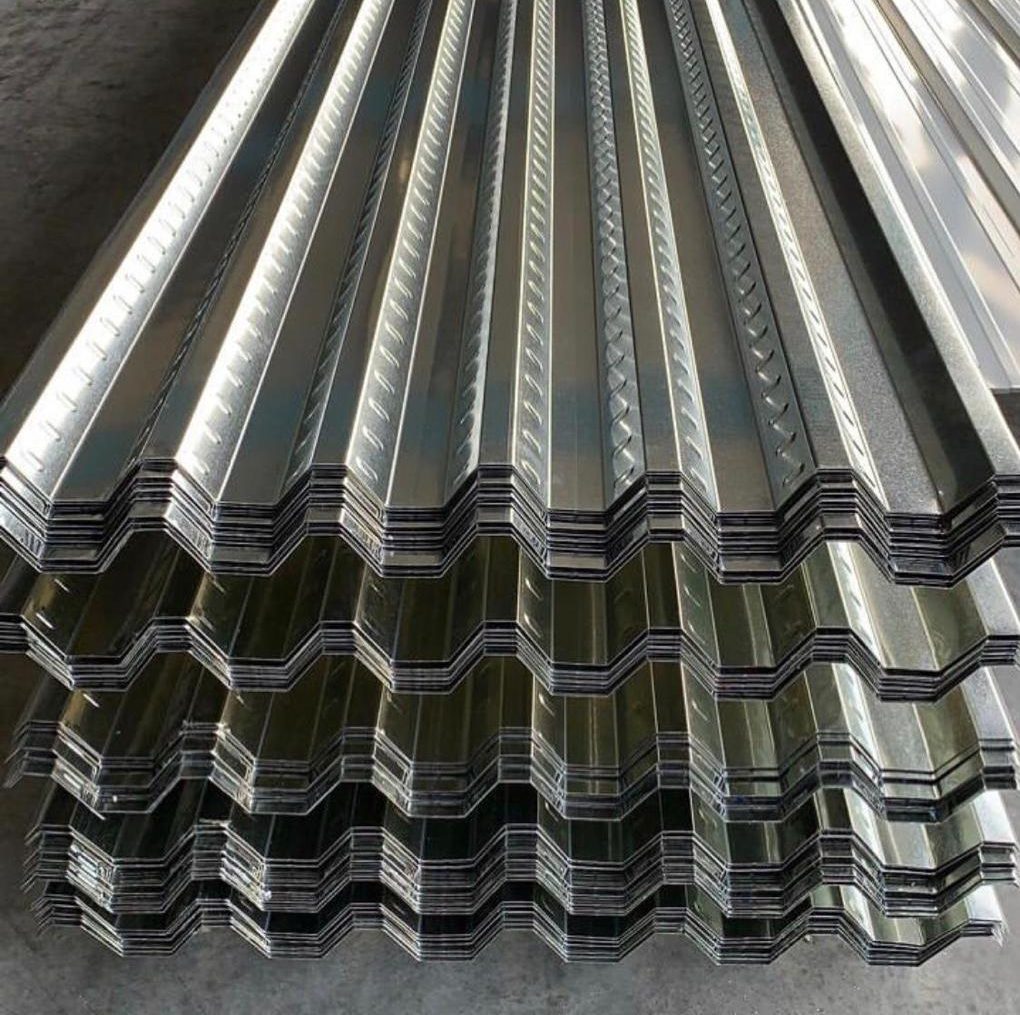
- Galvanized steel
- Aluminium
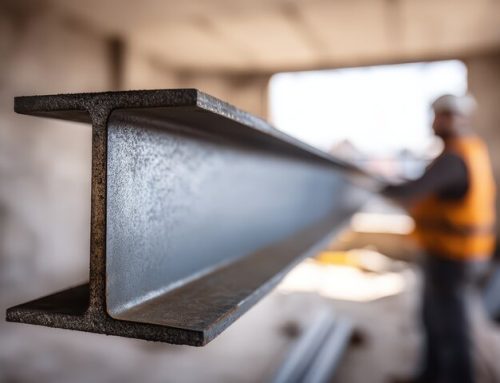
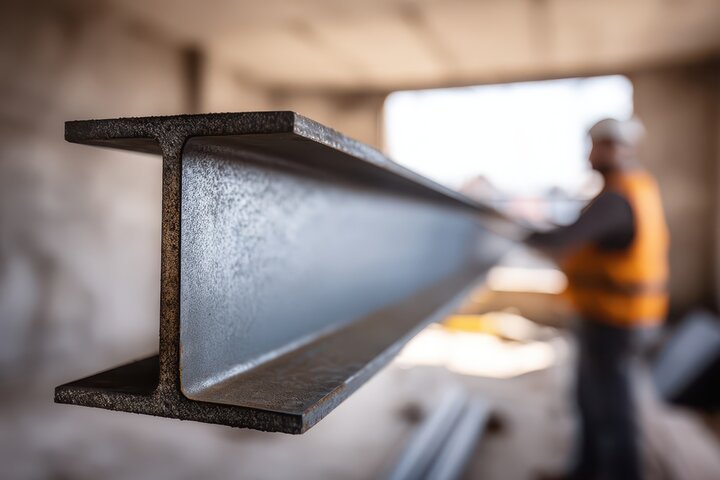
- Structural steel sections
C channels are widely used due to their flexibility and strength. Explore our C channel steel for solar mounting systems.
Importance of Galvanization and Coating
Corrosion is one of the main risks in outdoor solar installations, especially in coastal or industrial environments. Proper coating selection significantly extends service life and reduces maintenance costs. Solar structures are exposed to harsh outdoor conditions.
Galvanization provides:
- Corrosion resistance
- Extended lifespan
- Reduced maintenance
We supply galvanized steel coil for structural and outdoor applications.
Types of Solar Mounting Structures
Each system type requires different structural approaches, load considerations, and material selection. Choosing the correct system ensures both performance and cost efficiency.
Different systems require different designs:
Ground-mounted systems:
- Larger structures
- Higher load requirements
Rooftop systems:
- Lightweight structures
- Easier installation
Carport and custom systems:
- Complex structural design
- Mixed materials
C Channel vs Other Sections in Design
Section selection affects installation speed, structural performance, and total project cost. C channels are widely preferred due to their balance between strength, weight, and ease of assembly.
C channel is commonly used because:
- Easy to assemble
- Suitable for modular designs
- Cost-effective
Other options include RHS and SHS. Explore more in our structural steel sections guide.
Key Factors When Designing Solar Structures
A successful design balances engineering performance with cost efficiency, ensuring the structure meets safety requirements without unnecessary material usage.
Before finalizing design:
- Site location and wind conditions
- Soil and foundation type
- Material selection
- Budget constraints
A balanced design ensures both safety and cost efficiency.
What Buyers Should Consider
Working with experienced suppliers ensures correct material selection, compliance with standards, and reliable project execution. When sourcing materials:
- Structural requirements
- Coating and durability
- Supplier capability
- Delivery timelines
Working with experienced suppliers ensures project success.
Speak to CoreMet Steel
CoreMet Steel supplies structural steel solutions for solar mounting systems, including C channels, galvanized steel, and custom structural sections. We support global projects with engineering-focused supply, competitive pricing, and reliable delivery directly from manufacturers.
Contact CoreMet Steel for:
Solar structure steel supply
- C channels and structural sections
- Galvanized steel products
- Global delivery solutions
Guidance on inspection documents and certification standards is provided by organisations such as the British Standards Institution (BSI), which oversees the adoption of EN standards in the UK.
get a free quote
Built for reliable steel supply.projects.trade.sourcing.partnerships.
From steel coils to fencing systems: sourcing quality materials for global buyers, projects, and distributors.