Selecting the right steel sections for solar panel mounting structures is critical to ensure structural integrity, durability, and long-term performance under varying environmental conditions. Solar installations are exposed to wind loads, temperature changes, and corrosion risks, making material selection a key engineering decision rather than just a cost factor.
This guide explains how to choose the correct steel for solar mounting systems based on project requirements.


Why Steel Selection Matters in Solar Projects
Incorrect section selection can lead to structural instability, excessive deflection, or premature corrosion. Optimised steel selection ensures compliance with design standards while reducing unnecessary material costs.
Solar structures must withstand:
- Wind loads and structural stress
- Outdoor environmental conditions
- Long-term exposure to corrosion
Choosing the right steel ensures:
- Structural stability
- Reduced maintenance
- Long service life
Common Steel Types Used in Solar Structures
The most commonly used steel types include:
C Channel → widely used for rails and support frames due to flexibility and ease of assembly
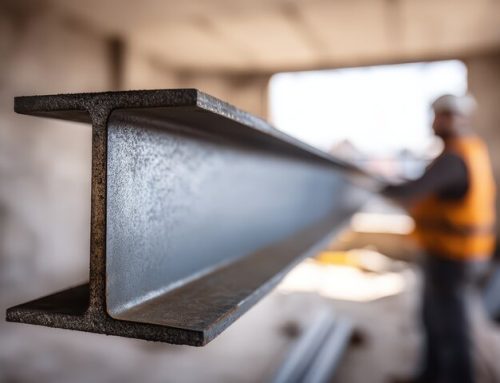
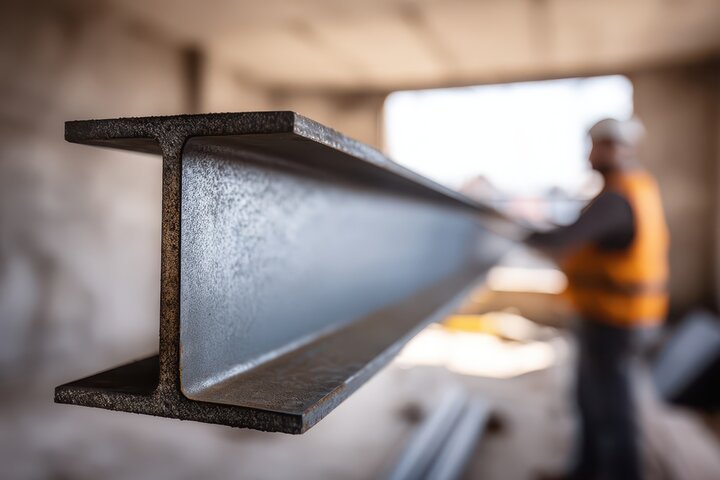
- RHS / SHS Sections → higher structural strength, used in main support frames
- Angle Sections → cost-effective for bracing and secondary supports
- Flat Bars → used for connections, brackets, and smaller components
Each section type serves a different structural function, and the correct combination ensures both strength and cost efficiency.
C channels are widely used in solar systems. Explore our C channel steel supply for solar mounting structures.
Importance of Galvanization in Solar Steel
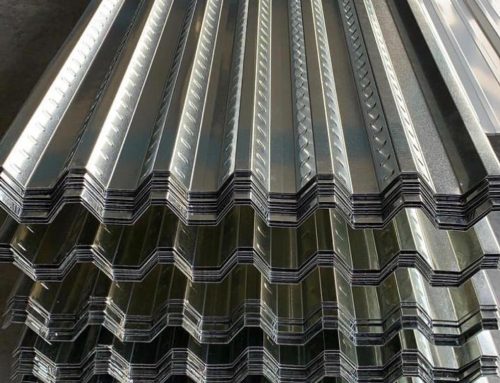
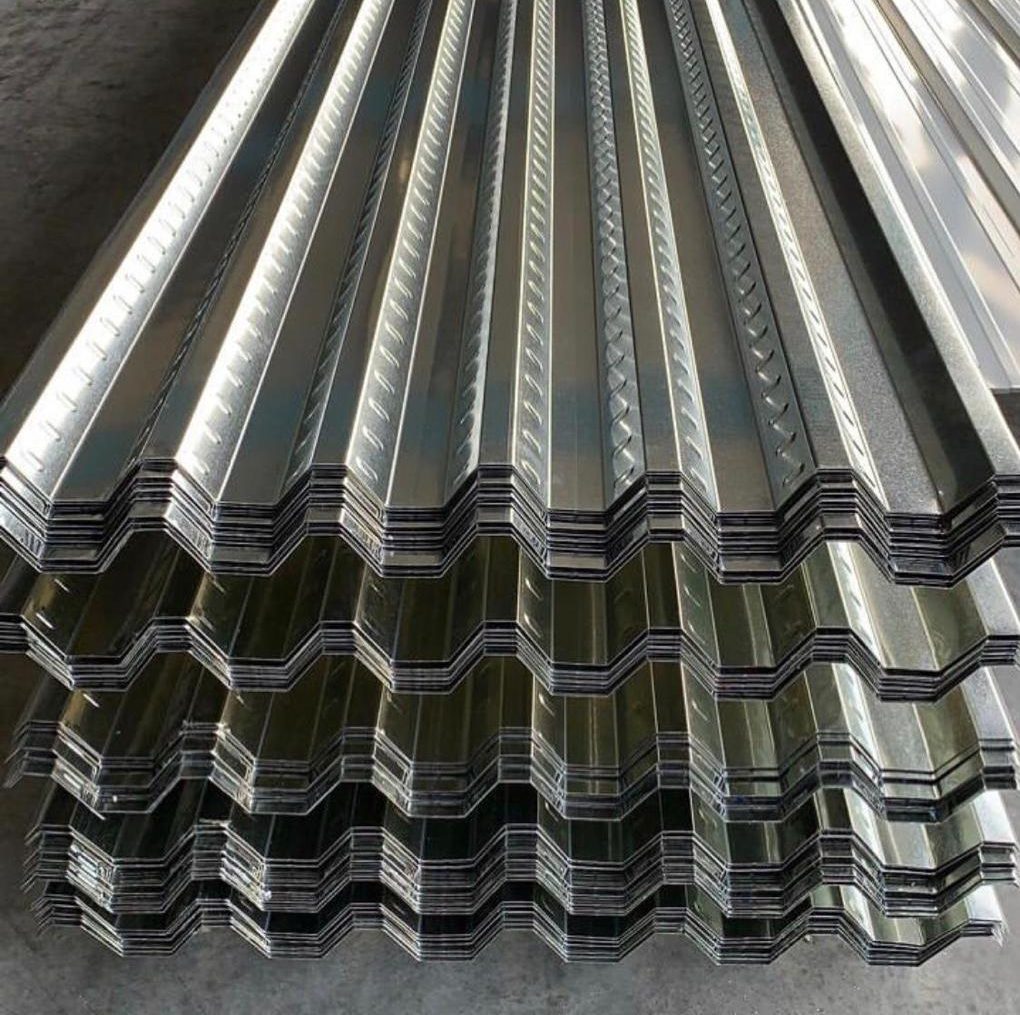
Solar mounting structures are continuously exposed to outdoor conditions, making corrosion protection essential. The choice between pre-galvanized and hot-dip galvanized steel directly impacts lifespan, maintenance, and total project cost. Galvanized steel is essential for outdoor solar applications.
Benefits include:
- Protection against corrosion
- Extended lifespan
- Reduced maintenance costs
We supply galvanized steel coil suitable for structural and fabrication applications.
Choosing the Right Coating Thickness
Coating thickness should be selected based on environmental exposure. Coastal, industrial, or high-humidity areas typically require higher zinc coating levels to prevent early corrosion. Coating thickness plays a major role in durability:
- Z140 → basic protection
- Z275 → standard industry use
- Z450 → high durability for harsh environments
Learn more about coating differences in our Z275 vs Z140 vs Z450 guide.
Pre-Galvanized vs Hot-Dip Galvanized Steel
While pre-galvanized steel is suitable for lighter and indoor applications, hot-dip galvanizing provides significantly higher corrosion resistance and is preferred for long-term outdoor solar projects. Two common options:
Pre-galvanized:
- Lower cost
- Suitable for light structures
Hot-dip galvanized:
- Higher corrosion resistance
- Ideal for outdoor solar systems
What Buyers Should Consider
Before selecting steel:
- Project type (rooftop or ground-mounted)
- Environmental exposure
- Structural load requirements
- Budget
Working with experienced suppliers ensures correct material selection.
Speak to CoreMet Steel
CoreMet Steel supplies structural steel sections for solar mounting systems, including C channels, RHS/SHS sections, and galvanized steel products. We support global solar projects with engineering-focused supply, competitive pricing, and reliable delivery directly from manufacturers.
Contact CoreMet Steel for:
Solar structure steel supply
- C channels and structural sections
- Galvanized steel products
- Global delivery solutions
Guidance on inspection documents and certification standards is provided by organisations such as the British Standards Institution (BSI), which oversees the adoption of EN standards in the UK.
get a free quote
Built for reliable steel supply.projects.trade.sourcing.partnerships.
From steel coils to fencing systems: sourcing quality materials for global buyers, projects, and distributors.