HRC (Hot Rolled Steel), CRC (Cold Rolled Steel), and GI (Galvanized Steel) are the most commonly used flat steel products in global trade. Each type has different properties, surface finishes, costs, and applications.
Understanding the differences helps buyers choose the right material based on performance, price, and project requirements.


What is Hot Rolled Steel (HRC)?
Hot rolled steel is produced at high temperatures and is typically used where surface finish is not critical.
Key features:
- Lower cost
- Rough surface finish
- High strength
- Suitable for structural applications
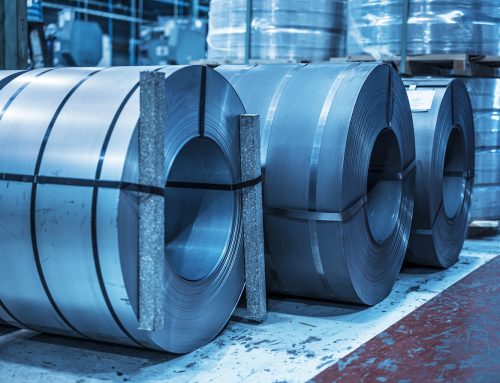
Hot rolled materials are commonly supplied as hot rolled steel coils for construction and industrial use.
What is Cold Rolled Steel (CRC)?
Cold rolled steel is processed further after hot rolling to improve surface finish and dimensional accuracy.
Key features:
- Smooth surface
- Tight tolerances
- Higher precision
- Used in manufacturing and automotive sectors
These products are widely available as cold rolled steel coils for applications requiring precision and finish quality.
What is Galvanized Steel (GI)?
Galvanized steel is coated with zinc to protect against corrosion, making it suitable for outdoor and humid environments.
Key features:
- Corrosion resistant
- Longer lifespan
- Ideal for roofing, fencing, and outdoor use
For export and outdoor use, galvanized steel coils are widely preferred due to their durability.
HRC vs CRC vs GI – Key Differences
| Feature | HRC | CRC | GI |
|---|---|---|---|
| Surface finish | Rough | Smooth | Coated |
| Corrosion resistance | Low | Low | High |
| Cost | Lowest | Medium | Highest |
| Precision | Low | High | Medium |
| Main use | Structural | Manufacturing | Outdoor |
When Should You Choose HRC, CRC or GI?
Choose HRC if:
- Cost is priority
- Surface finish is not critical
- Structural strength is required
Choose CRC if:
- Smooth surface is needed
- Precision matters
- Used in machinery or automotive
Choose GI if:
- Exposure to weather
- Corrosion resistance required
- Outdoor applications
How Coating Affects Steel Performance
Zinc coating thickness plays a key role in durability.
For example, coating grades such as Z140 and Z275 have different protection levels — see our galvanized coating comparison guide.
Cost Comparison: HRC vs CRC vs GI
- HRC → lowest cost
- CRC → moderate cost
- GI → higher cost due to coating
Steel pricing depends on multiple factors — see our steel price factors guide.
Applications of HRC, CRC and GI Steel
HRC Applications:
- Structural steel
- Pipes and tubes
- Construction frameworks
CRC Applications:
- Automotive parts
- Appliances
- Precision components
GI Applications:
- Roofing sheets
- Fencing systems
- Outdoor structures
Many of these products are supplied globally as steel coil products for international delivery.
Speak to CoreMet Steel
CoreMet Steel supplies HRC, CRC, and GI steel products globally with flexible delivery options.
Contact CoreMet Steel for:
Competitive steel pricing
- Reliable global supply
- Export-ready materials
Guidance on inspection documents and certification standards is provided by organisations such as the British Standards Institution (BSI), which oversees the adoption of EN standards in the UK.
get a free quote
Built for reliable steel supply.projects.trade.sourcing.partnerships.
From steel coils to fencing systems: sourcing quality materials for global buyers, projects, and distributors.